


























Public Sector Website Accessibility Checklist
Download Your Checklist
Your council serves everyone. Does your website?
Think about the range of people who live in your parish. Older residents. People with visual impairments. Those who rely on screen readers to navigate the web. People with dyslexia trying to make sense of a densely formatted PDF. Residents on older devices or slow mobile connections trying to find out when their bin collection is changing.
Now think about your council website. Your meeting minutes. Your agendas. Your planning notices. Your contact page.
For most residents, accessing that information is straightforward. For some, it is not. And in many cases, those residents have no idea that what they are experiencing is a barrier created by how the information has been published, not by their own limitations.
What an inaccessible website actually means
When a PDF is uploaded as a scanned image rather than a properly formatted document, a screen reader cannot interpret it. To a resident relying on assistive technology, that document simply does not exist.
When meeting minutes have no headings or reading structure, someone with dyslexia cannot navigate them. When a contact form has poor colour contrast, someone with a visual impairment cannot read the labels. When a page is not optimised for mobile, a resident trying to access information on the go hits a wall.
These are not edge cases. According to the Office for National Statistics, around one in five people in the UK have a disability. In any parish, that is a significant proportion of the community your council exists to serve.
An inaccessible council website is not a technical oversight. It is a barrier between your council and some of the residents who need it most.
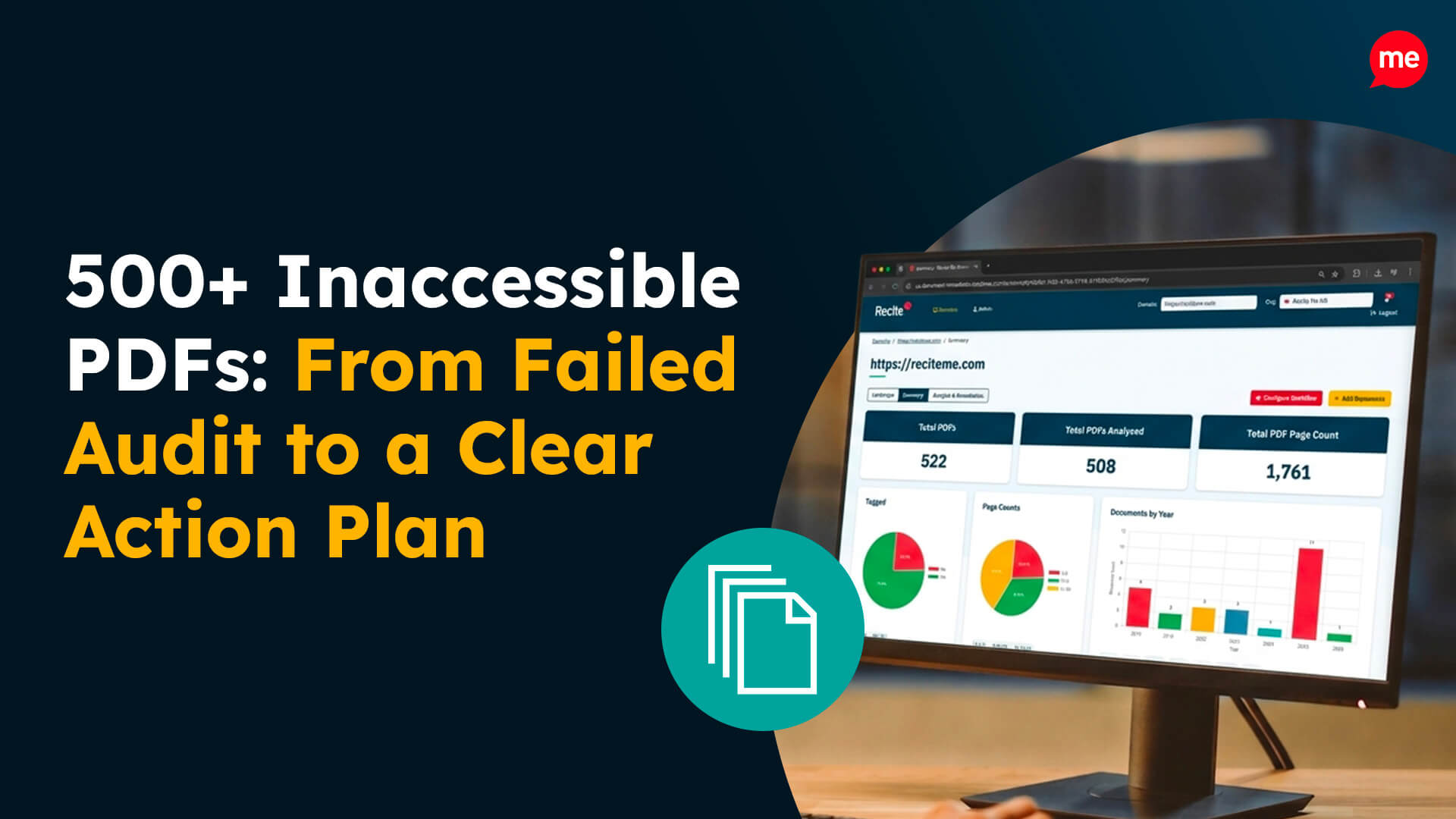
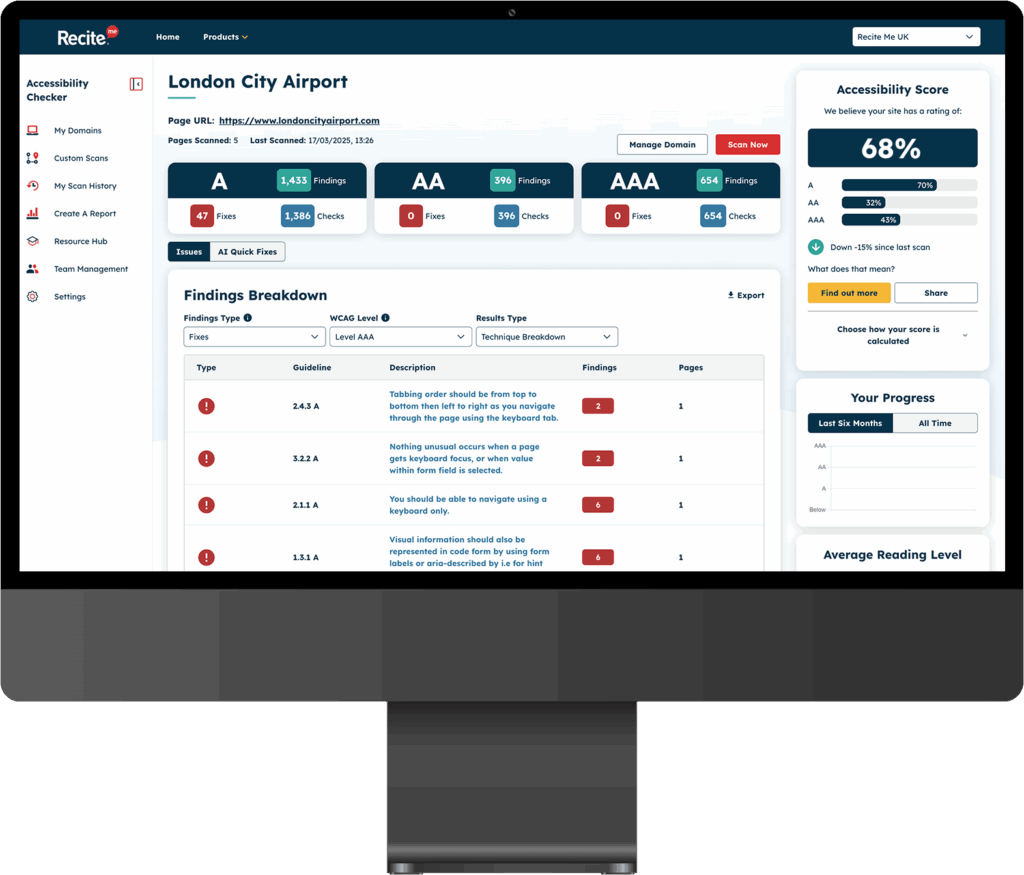
Not sure how accessible your PDFs are? Scan your website to identify inaccessible documents, understand compliance risks, and see where remediation may be needed.

Why the regulations exist
The Public Sector Bodies Accessibility Regulations 2018 were introduced precisely because these barriers were widespread and largely invisible. Most organisations publishing inaccessible content were not doing so deliberately. They simply did not know the barriers were there.
The regulations created a legal obligation to find out, take action, and evidence that action over time. Assertion 10, introduced in the 2025/26 AGAR, formalised this for parish and town councils by making digital compliance part of the Annual Governance Statement.
But the regulation is not the reason to act. The reason to act is that some residents in your parish cannot access information they have every right to access.
What this looks like in practice
Most accessibility improvements start with understanding where the barriers are. For parish councils, the most common issues we find are:
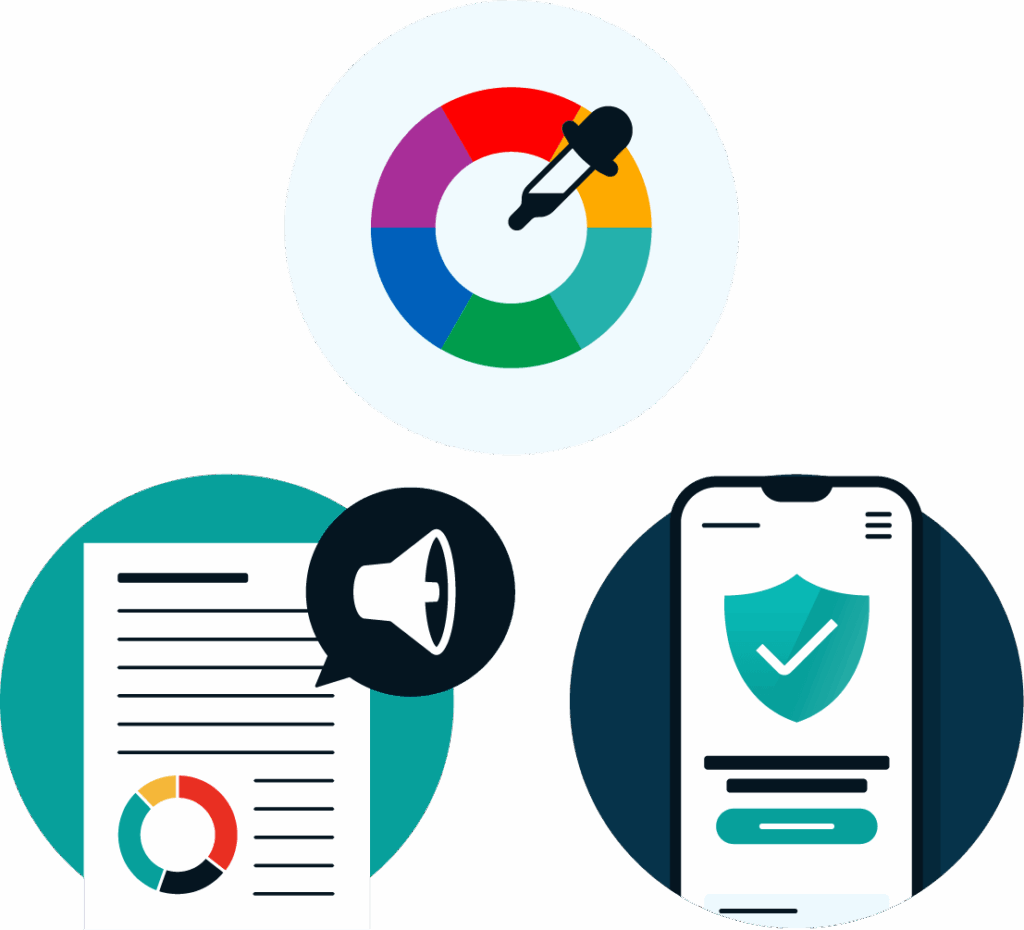
Documents uploaded as scanned images that screen readers cannot read. Meeting minutes, agendas and planning notices with no heading structure or reading order. Websites that are difficult to navigate on a mobile device. Low colour contrast that makes text hard to read for people with visual impairments.
None of these issues were created intentionally. And none of them are insurmountable. But you cannot fix what you cannot see.
The most important first step
Before deciding what to do, it helps to understand what you are working with. A review of your website and the documents you publish regularly will tell you where the barriers are and which ones are most likely to be affecting residents right now.
From there, the conversation about what to do next becomes much more specific and much more manageable than the general weight of the obligation might suggest.
Accessibility is not about achieving a perfect website. It is about making your council’s information as usable as possible for the people it serves, and being able to show that you are working towards that.
Every resident in your parish deserves to access what their council publishes. Start somewhere.
Everything your council needs to get started with digital accessibility. Free.
From a free website scan to an Accessibility Statement checklist and a plain-English guide to Assertion 10, it is all in one place, built specifically for parish and town councils.
Check out our Products & Services
Ready to take your first steps towards digital accessibility compliance? Then see how we can support your journey with our accessibility solutions:
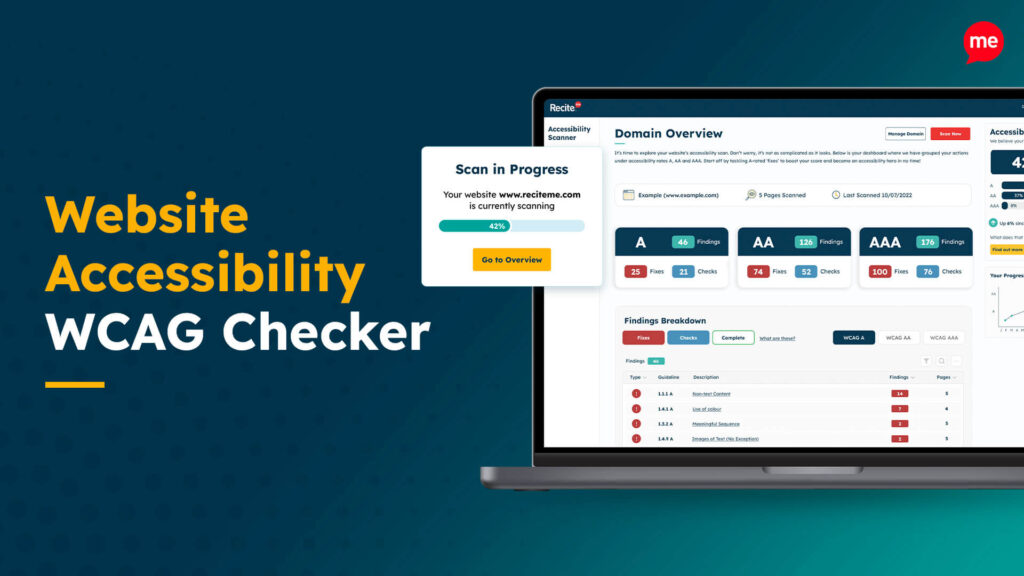
Web Accessibility Checker
Scan, detect, fix, and maintain accessibility compliance standards on your website.
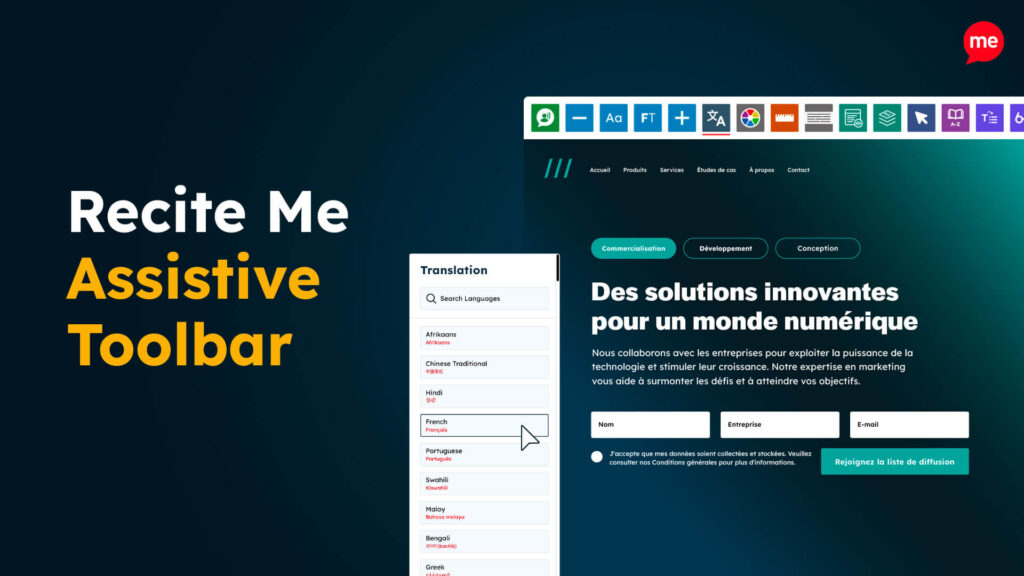
Assistive Toolbar
Make your website an inclusive and customisable experience for people with disabilities.
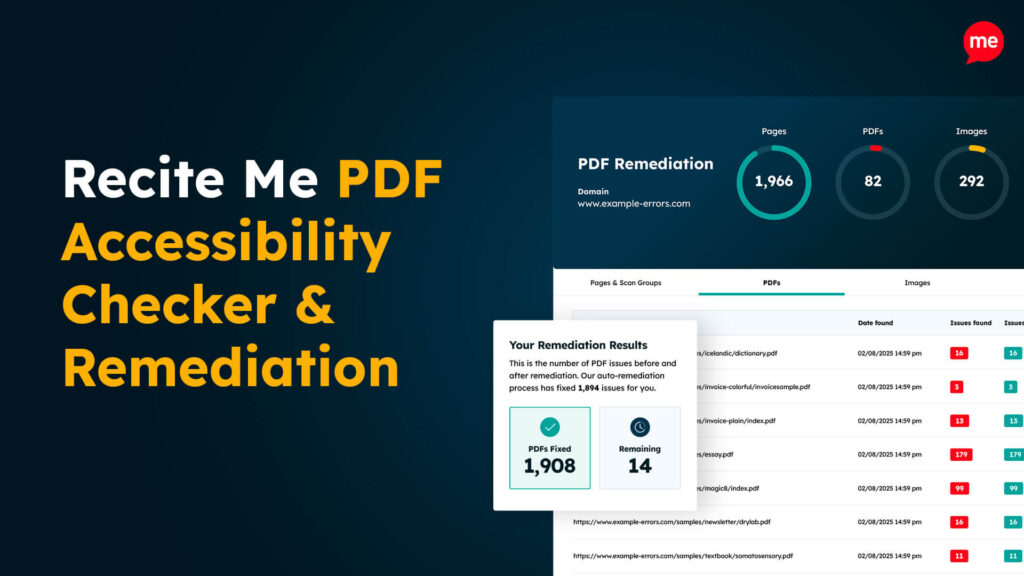
PDF Accessibility Checker
Check your PDFs are compliant with accessibility standards and run automated fixes.