



























Get Your Free Accessibility & Inclusion Toolkit
Download NowSince the FCA Consumer Duty came into force for open products and services, firms have been expected to look more closely at customer outcomes, use evidence to understand what is working and identify where changes may be needed.
Accessibility is an important part of this as more services move online. If a customer cannot access information, complete a task or get the support they need due to an accessibility barrier, it can affect the outcome they get. Learn more below about what the FCA expects firms to monitor and how digital accessibility can better support Consumer Duty outcomes.
What is the FCA Consumer Duty?
The FCA Consumer Duty is a set of rules and guidance requiring financial service firms to act to deliver good outcomes for retail customers. It applies across the whole customer journey, from the design and distribution of products and services through communications, customer support and ongoing service.
The Duty came into force for open products and services on 31 July 2023 and for closed products and services on 31 July 2024. It is built around four outcomes: products and services, price and value, consumer understanding, and consumer support.
Under Consumer Duty, firms must monitor these outcomes and be able to evidence whether customers are receiving the outcome the Duty requires.
What does the FCA mean by monitoring consumer duty outcomes?
Consumer Duty outcomes monitoring means gathering evidence to check if customers’ experiences meet the Duty’s standards. Firms must regularly assess, test and evidence the outcomes customers receive, identifying poor outcomes, understanding their causes, and fixing them.
The key point is that process isn’t the same as outcome. You can have a slick-looking customer service process on paper, but if people are giving up halfway through, ringing back again and again, or complaining because they can’t get help, something’s clearly not working, and that’s what firms need to dig into.
Get a Free Accessibility Check of your Website
Run a scan to identify WCAG issues on your website's homepage. Then, use our recommended changes to achieve compliance with the latest accessibility standard.
What does the FCA expect firms to monitor?
The FCA expects firms to monitor the outcomes customers are getting under the Consumer Duty and identify where some groups are experiencing poorer results. Firms should use relevant quantitative and qualitative evidence to identify potential problems and understand their causes. The four key areas that firms should monitor are:

Products and services
Firms should look at if their products or services are designed to meet the needs, characteristics and objectives of their target customers and whether or not they continue to deliver the intended outcomes.
This could involve reviewing product performance, complaints, cancellations, usage data, claims, customer feedback and other information that shows how customers are experiencing a product.
Price and value
Firms need to be able to show that customers are receiving fair value for the products and services they pay for. This means looking at the cost of a product alongside its benefits, as well as factors such as fees, usage, complaints and cancellations.
Firms should also consider differences in value between customer groups and investigate evidence of poorer outcomes.


Consumer understanding
Consumer understanding is all about how well customers understand the information they are given and how effectively they can use it to make informed decisions.
Firms can learn a lot from customer feedback, testing, complaints and digital behaviour, such as people repeatedly leaving an application at the same point or contacting support.
Consumer support
Customers should be able to get the help they need throughout their relationship with a firm, including when they need to raise a problem or make a change.
For digital services, firms should also check that customers can use support features effectively. A support page that is difficult to navigate or a form that cannot be completed using assistive technology could prevent a customer from getting the help they need.

Why is monitoring vulnerable and disabled customers just as important for Consumer Duty compliance?
Monitoring vulnerable and disabled customers is important because firms need to identify where some groups are experiencing poorer outcomes than other customers. Looking at overall customer results alone may not show where certain customers are facing additional barriers.

Firms should therefore consider relevant data, feedback and complaints to understand how vulnerable and disabled customers experience their services and support. This can help identify differences in outcomes, understand what is causing them and inform changes where customers are not getting the outcomes they should be.
Digital accessibility and Consumer Duty
Digital accessibility is closely connected to Consumer Duty because online barriers can prevent customers from accessing information, making decisions, or receiving support. An accessibility barrier can therefore contribute to a negative outcome across areas such as Consumer Understanding and Consumer Support.
Common accessibility barriers to monitor
When reviewing digital customer journeys, firms should consider the barriers that could prevent someone from accessing information or completing an important task.
Some of the most common accessibility barriers are:
- Screen reader compatibility
- Keyboard navigation
- Text size and contrast
- Captions and transcripts
- Complex language
- Time limits
- Authentication processes

Monitoring consumer duty outcomes with Recite Me
Using the Recite Me Accessibility Checker can help firms identify accessibility issues across their digital platforms and use the findings to prioritise improvements.
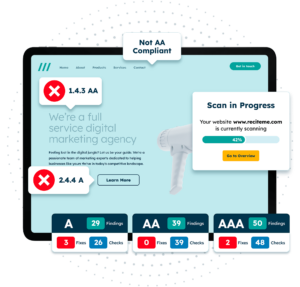
The tool can scan websites for accessibility issues including colour contrast, screen reader compatibility, font size, headings, image alternative text, navigation and readability. It can also provide a report that teams can use to understand where problems exist and track improvements.
What data should firms collect to monitor Consumer Duty?
There is no list of Consumer Duty metrics that every firm must collect. The right data depends on the products, services and customers involved, but firms should have enough evidence to assess customer outcomes and identify areas that need further investigation.
| Consumer Duty area | Example metrics to monitor |
| Products & services | Complaints, cancellations, product performance, usage and customer feedback. |
| Price & value | Fees, costs, benefits, value assessments, complaints and customer perceptions of value. |
| Understanding | Comprehension, engagement, customer behaviour, drop-off and task completion. |
| Support | Wait times, complaints, abandonment, resolution and repeat contacts. |
| Vulnerability | Outcomes by customer group, adjustments, complaints and customer feedback. |
| Accessibility | Digital barriers, accessibility issues, task completion and user testing. |
How often should consumer duty outcomes be monitored?
Consumer Duty outcomes should be monitored regularly, with the frequency depending on the nature of the product, service, customer journey, and risks involved.
There is, however, an annual governance requirement: the firm’s board or equivalent governing body must review and approve a report on the outcomes experienced by retail customers at least once a year.
The report should include the results of monitoring, evidence of outcomes, differences between customer groups, and an assessment of the impact and causes as a result.

That said, the annual board report should not be the point at which firms first look at their customer outcome data. Regular monitoring throughout the year allows firms the opportunity to spot problems sooner and make changes before an issue becomes more serious.
What should firms do when poor outcomes are identified?
When firms identify poor customer outcomes, they should investigate the cause, understand which customers are affected, take appropriate action, and check whether the changes have improved the outcome.

The FCA expects firms to use their monitoring and customer data to identify issues early, make the necessary changes, and continue monitoring the outcome to ensure the action has worked.
This could involve changing a product or service, improving customer communications, providing additional support or removing an accessibility barrier.
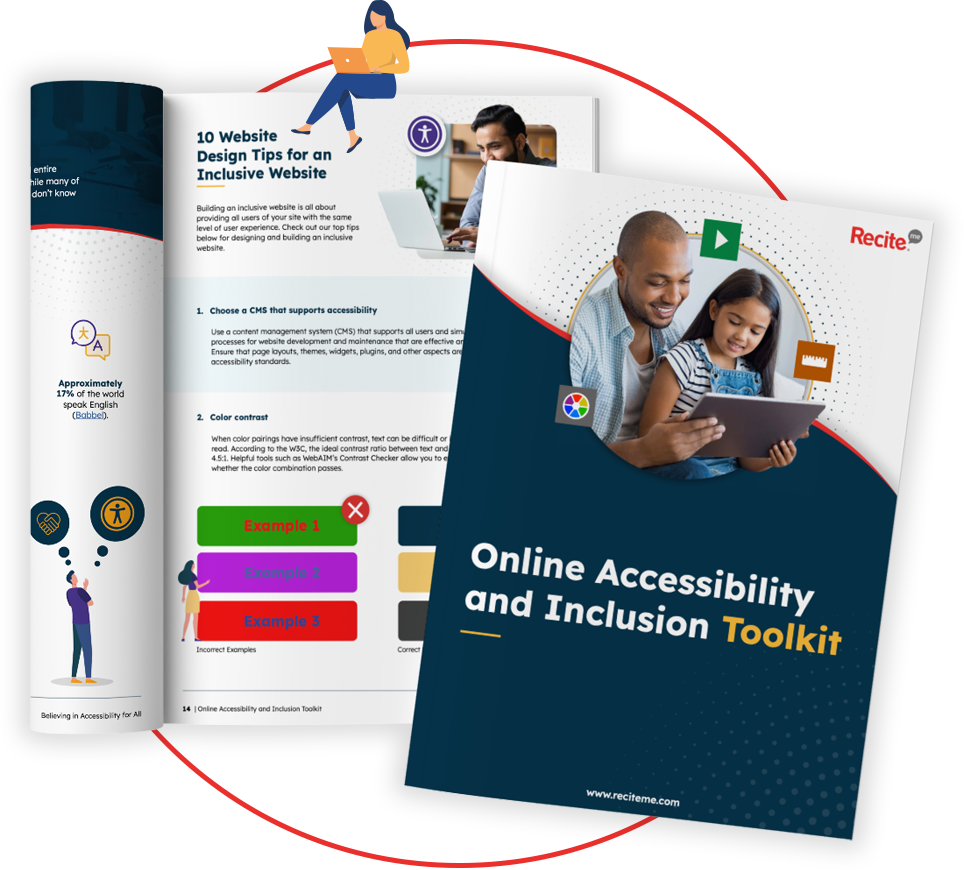
Our 40-page Digital Accessibility & Inclusion Toolkit helps businesses break down online barriers and make a real impact. It offers practical advice on all aspects of digital accessibility, from writing an accessibility statement to accessible website tips and inclusive hiring.
Final verdict on consumer duty monitoring
Monitoring Consumer Duty outcomes helps firms understand the customer experience, identify where bad outcomes may be occurring and take actions to fix them. It should be an ongoing part of how firms assess customer outcomes, instead of a one-off compliance exercise.
To get started on your journey towards FCA compliance, we recommend running a free website accessibility scan of your homepage. You can also reach out to one of our accessibility and inclusion experts for a conversation on how we can help.
FCA monitoring consumer duty outcomes FAQs
Looking for a recap or quick summary? Here are a few of our most frequently asked questions to help you get to grips with the essentials:
What is Consumer Duty outcomes monitoring?
Consumer Duty outcomes monitoring is the process of collecting and analysing evidence to assess whether retail customers are receiving positive outcomes. Firms should use data and insight to identify poor outcomes, understand their causes and take action.
What are the four Consumer Duty outcomes?
The four Consumer Duty outcomes cover products and services, price and value, consumer understanding, and consumer support. Firms need to assess if customers are receiving quality outcomes across each area.
Does digital accessibility form part of Consumer Duty?
Digital accessibility can affect if customers can access information, understand products, complete transactions and get support. Firms should therefore consider accessibility when monitoring customer journeys and outcomes, especially where important services are delivered digitally.
How can firms monitor digital accessibility?
Firms can use accessibility audits and automated testing with manual testing, customer feedback, complaints, website analytics and task-completion data. The Recite Me Accessibility Checker can scan websites for a range of accessibility issues and provide information that teams can use to prioritise fixes.
What should a Consumer Duty board report include?
The FCA says the annual assessment should include the results of monitoring, evidence of poor outcomes, information about differences between customer groups and an evaluation of the impact and causes of identified issues. It should also explain any actions required as a result of the monitoring.
Can accessibility testing alone demonstrate compliance with Consumer Duty?
No, accessibility testing can provide useful evidence about digital barriers, but Consumer Duty monitoring should draw on a range of relevant information. Firms need to consider the wider customer experience, including feedback, complaints, behaviour, support data and other evidence relevant to the products and services they provide.
Check out our Products & Services
Ready to take your first steps towards digital accessibility compliance? Then see how we can support your journey with our accessibility solutions:
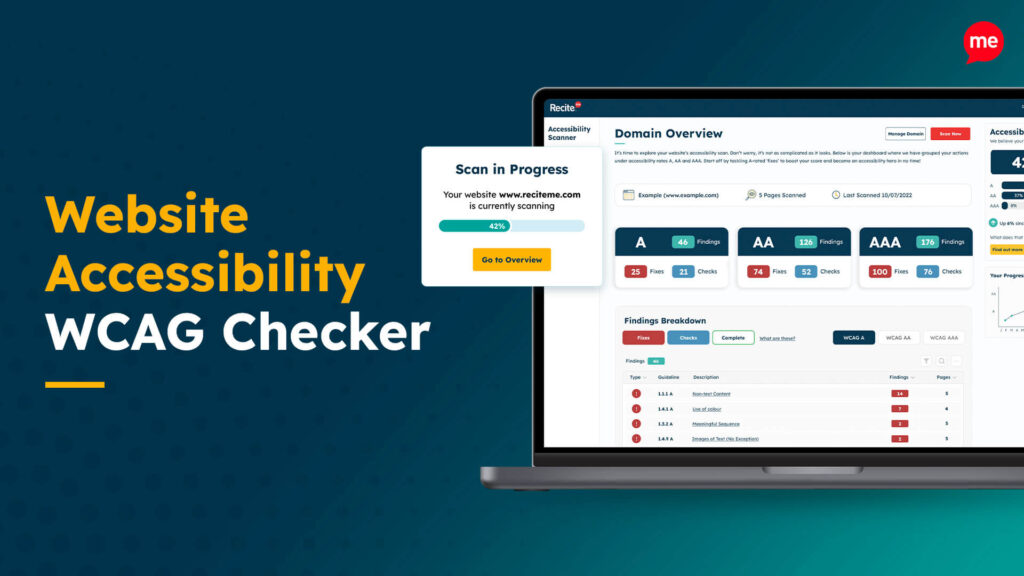
Web Accessibility Checker
Scan, detect, fix, and maintain accessibility compliance standards on your website.
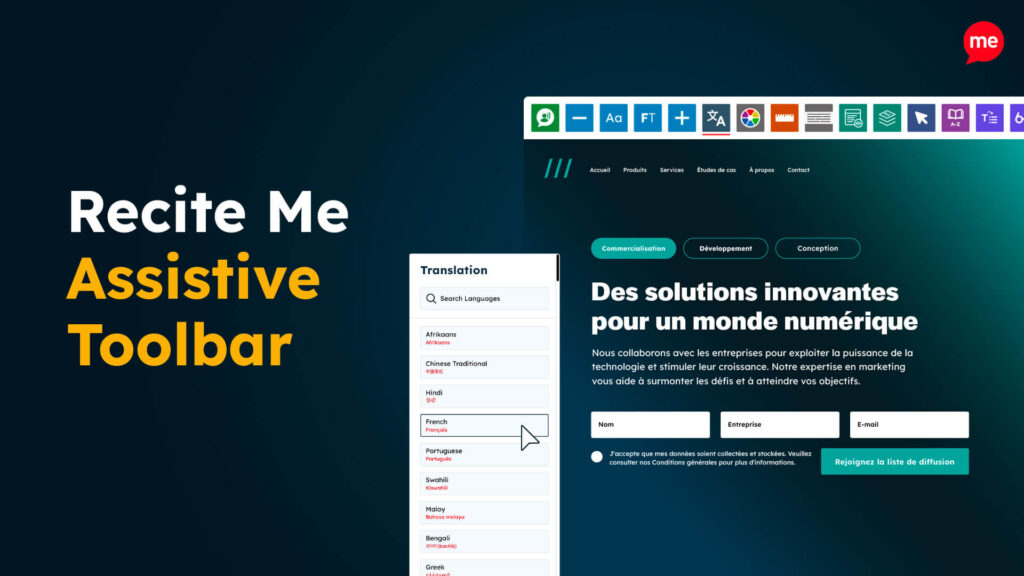
Assistive Toolbar
Make your website an inclusive and customisable experience for people with disabilities.
PDF Accessibility Checker
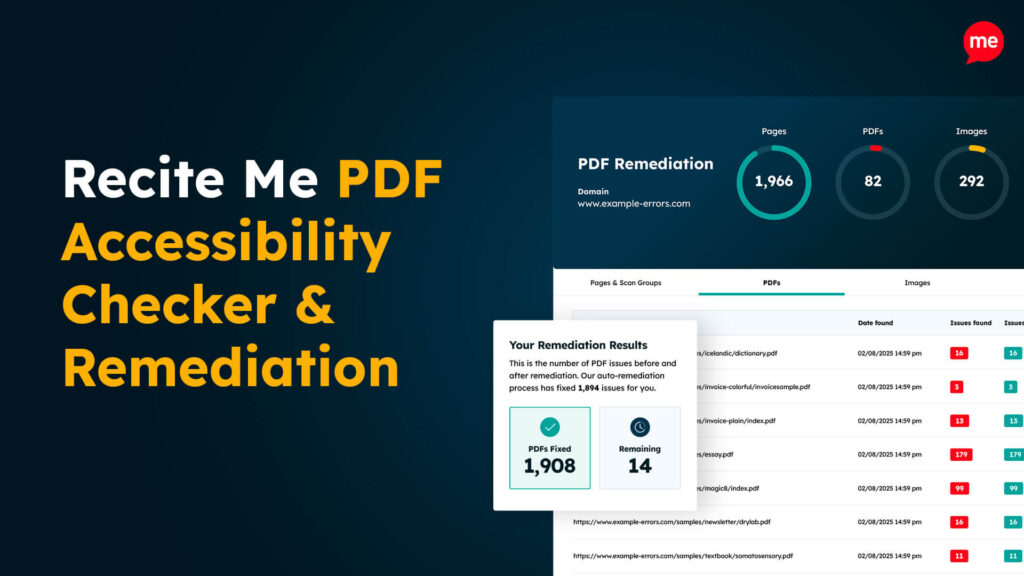
Check your PDFs are compliant with accessibility standards and run automated fixes.