


























Get a Free Digital Inclusion Toolkit
Download NowWhen the Transparency, Influence and Accountability Standard came into force, it marked an important shift for social housing providers. The focus moved away from policies that exist on paper and towards how services are actually experienced by tenants.
One thing becomes clear very quickly when you read the Standard: accessibility isn’t a side note. It runs through almost every requirement. From communication and engagement to complaints and consultation, accessibility is built in, not bolted on.
Put simply, if services aren’t accessible, they aren’t meeting the Standard.
From policy to everyday delivery
The Transparency Standard isn’t asking providers to prove they have the right documents in place. It’s asking something more practical.
- Can tenants easily access your services?
- Can they understand the information you share?
- Can they get involved, give feedback, and challenge decisions if they need to?
It’s not enough to say information is available online. It has to be usable by everyone. That includes tenants with:
- Visual or hearing impairments
- Dyslexia or other cognitive differences
- Limited digital confidence
- English as a second language
- Temporary impairments or changing needs
Get a Free Accessibility Check of your Website
Run a scan to identify WCAG issues on your website's homepage. Then, use our recommended changes to achieve compliance with the latest accessibility standard.
Accessibility as a foundation for engagement and scrutiny
The Standard is clear that tenants must be able to influence, challenge and scrutinise their landlord. But meaningful engagement only happens if people can participate independently.
Digital accessibility becomes an enabler of:
- Fair engagement in consultations
- Equal access to complaints processes
- Confidence in published performance information
- Trust that services are designed for everyone
Without accessibility, engagement risks becoming selective. Certain voices are heard more easily than others, not because of intent, but because of design.
Where accessibility risks often appear across digital housing services
Many social housing providers feel confident they’re doing the right thing. Information is available online. Digital services are in place. There are routes for feedback and complaints.
The risk usually isn’t obvious, and that’s the problem. It often shows up in places like:
Documents and PDFs
Key information, such as policies and consultation materials, is often shared as PDFs. When these aren’t created with accessibility in mind, screen readers may struggle to read them properly, and images or charts may lack explanation. In some cases, scanned PDFs make content unreadable altogether.
Online-only journeys
Forms, portals and self-service tools can unintentionally exclude tenants. Issues often arise when journeys don’t work well with assistive technology, rely on visual cues, or are difficult to navigate without a mouse.
Consultation and engagement
Consultations may exist, but accessibility can break down in how they’re delivered. Long documents, unclear language or inaccessible surveys can reduce who is able to take part. The result is feedback from some tenants, rather than everyone.
Complaints processes
A complaints policy might meet internal requirements, but still be difficult for tenants to use. If it’s hard to find, unclear, or relies on inaccessible forms, raising concerns becomes harder than it should be. These issues rarely come from a lack of care. More often, they come from assuming accessibility is already covered.
Accessibility as proof of accountability
One of the strongest themes in the Standard is accountability. Providers must not only do the right thing, but be able to show it.
Accessible digital services help demonstrate:
- That diverse needs have been considered
- That barriers are actively being removed
- That engagement is genuinely inclusive
- That transparency applies to everyone, not just the digitally confident
For executive teams and boards, this reduces regulatory risk. For compliance teams, it provides evidence. For digital and customer experience teams, it creates better, fairer services.
How providers are building accessibility into everyday service delivery
Many providers are moving away from one-off fixes and towards a more joined-up approach to digital accessibility in housing. The focus is on reducing risk, supporting tenants with different needs, and improving how services are delivered day to day.
Providers are responding in different ways, depending on their priorities and where they are on their accessibility journey. At Recite Me, we support this through a range of solutions that can be used individually or together.
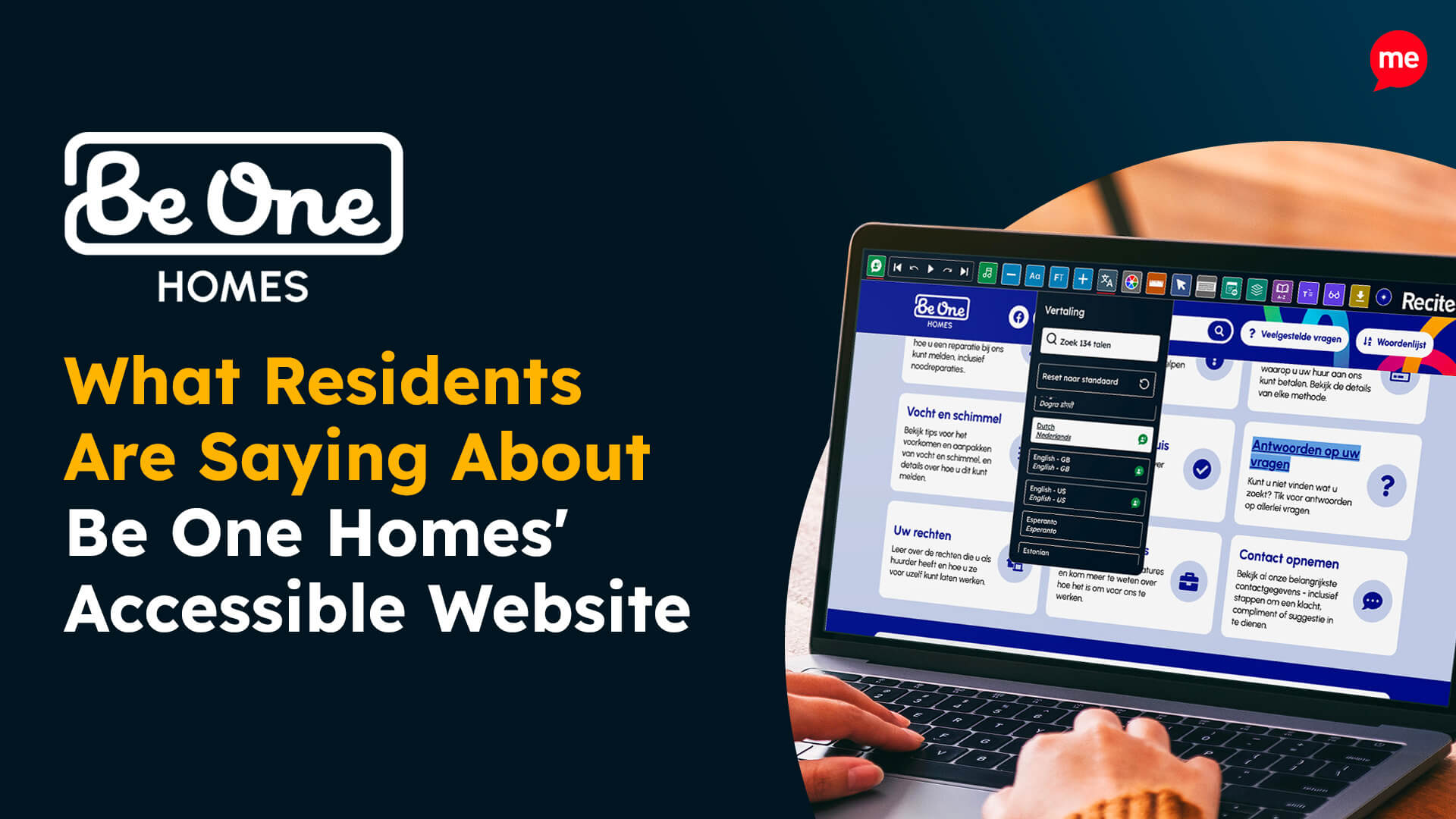
- Assistive Toolbar: Recite Me’s Assistive Toolbar provides in-page support that helps tenants personalise how they access digital content. Features such as text-to-speech, translation, reading aids and customisable styling make websites easier to use for people with disabilities, lower digital confidence, or language needs.
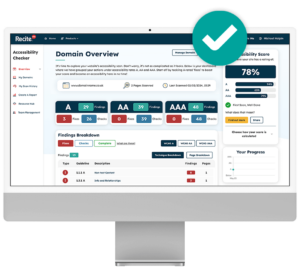
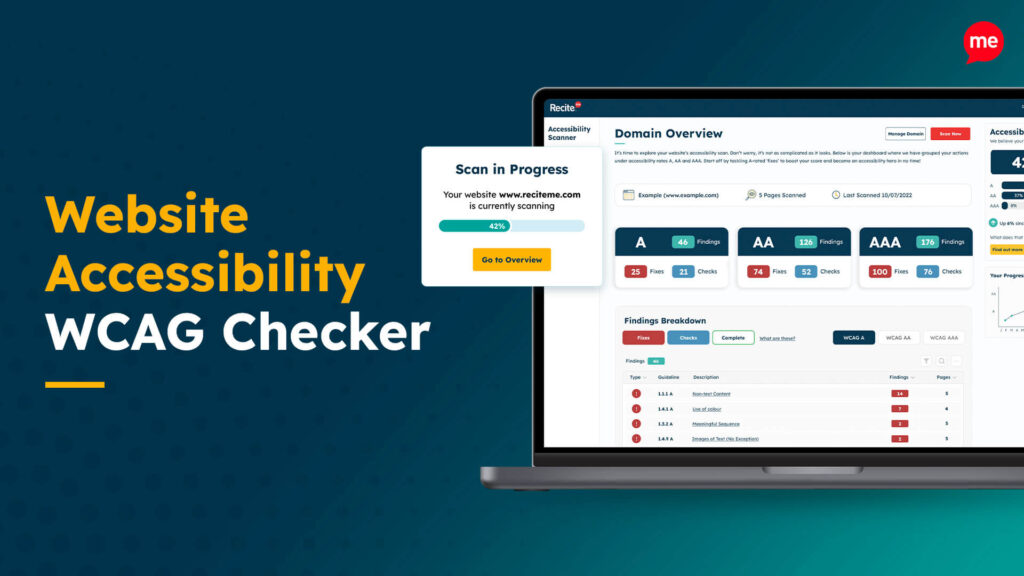
- Website Accessibility Checker: Our Website Accessibility Checker helps organisations identify accessibility issues across their website and understand where the greatest risks sit. It provides clear guidance on what needs to be addressed, supporting teams to prioritise improvements.
- Accessibility Consultancy: Recite Me’s Accessibility Consultancy supports providers that need deeper insight or assurance. This includes WCAG audits, assistive technology testing, clear action plans, compliant documentation, tailored training, and ongoing remediation support.
How accessible are your digital services for tenants?
The Transparency Standard sets clear expectations. Accessibility is now part of how social housing services are judged.
The first step isn’t trying to fix everything at once. It’s understanding where you are today, where the biggest risks sit, and where small changes could make the biggest difference.
Taking time to assess your digital accessibility maturity can help you prioritise improvements and show that accessibility is built into the way you deliver services, not just written into policy.
If you’re unsure how accessible your digital services really are, it’s worth finding out.
Check out our Products & Services
Ready to take your first steps towards digital accessibility compliance? Then see how we can support your journey with our accessibility solutions:
Web Accessibility Checker
Scan, detect, fix, and maintain accessibility compliance standards on your website.
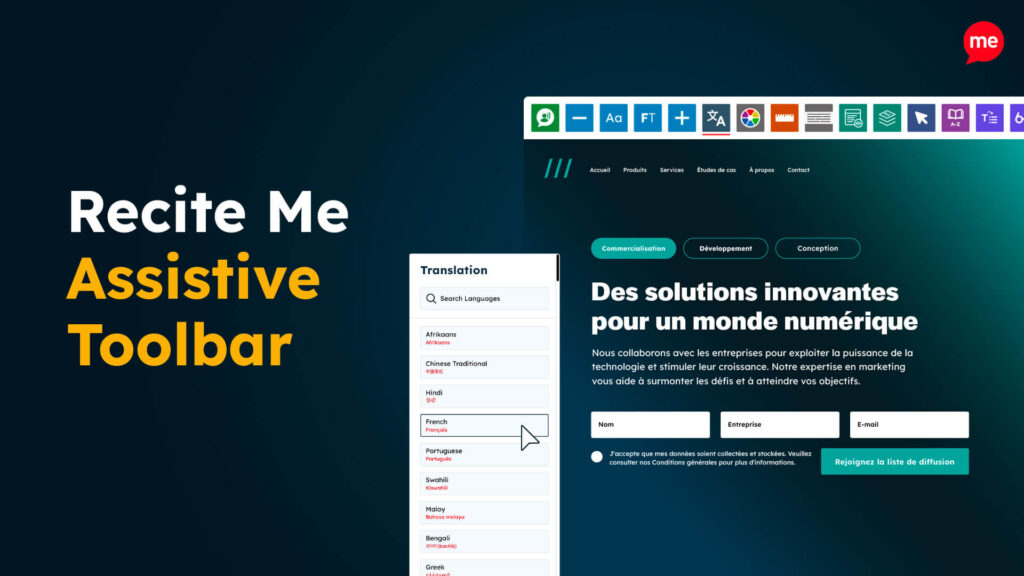
Assistive Toolbar
Make your website an inclusive and customisable experience for people with disabilities.
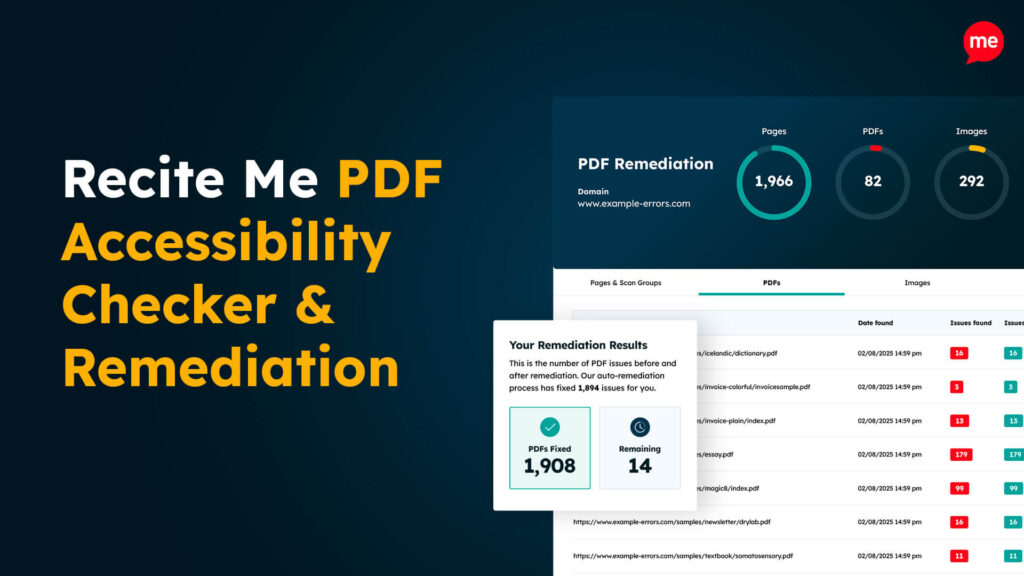
PDF Accessibility Checker
Check your PDFs are compliant with accessibility standards and run automated fixes.