

Free ADA Compliance Audit of your Website
Run a free scan of your website's homepage to identify any ADA violations. Then, use our recommendations to implement fixes and achieve ADA compliance.
The Americans with Disabilities Act (ADA) is an increasingly important piece of legislation. As such, both private and public organisations in the US are seeing a rise in ADA compliance demand letters. These letters can feel intimidating, given the significant legal risks they may pose to your organisation.
However, they don’t have to be daunting. With the right approach, you can quickly address compliance issues and reduce the risk of legal consequences. Keep reading this guide to discover everything you need to know to achieve and maintain ADA compliance.
What is an ADA compliance demand letter?
An ADA compliance demand letter is a formal written notice sent to a business or organisation alleging that it is not meeting the requirements of the Americans with Disabilities Act.

These letters typically identify specific barriers or shortcomings in accessibility, such as physical obstacles, inadequate signage, or inaccessible websites, and request corrective action. It’s also usual for these letters to cite relevant ADA regulations and outline a timeline for compliance.
While not a lawsuit, it serves as a legal warning, allowing the recipient to remedy the issues before formal legal action is taken. Responding quickly and appropriately is essential, as ignoring the letter can increase the risk of litigation and potential penalties.
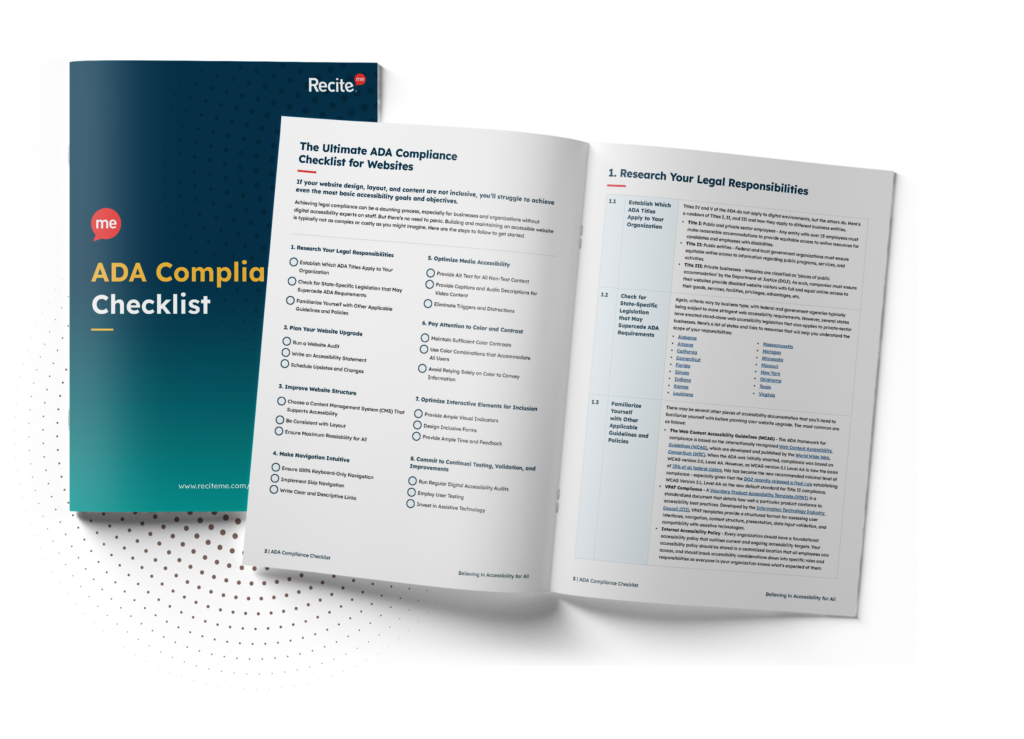
Want to make sure your website is compliant with the Americans with Disabilities Act? Then unlock the ADA compliance checklist now. Discover actionable steps to ensure ADA compliance, helping you avoid lawsuits and any other negative consequences of non-compliance.
What do ADA demand letters actually look like?
If you’ve received an ADA compliance demand letter, you likely already know its purpose, as the document clearly explains the issues at hand. That said, we’ve put together a comprehensive, step-by-step overview of what you can expect to find in these letters:
- Header with sender and recipient contact information, plus date
- Introduction stating the purpose of the letter and identifying the complainant
- Description of alleged ADA violations, including specific locations or features
- Reference to relevant ADA regulations, such as Title II or Title III
- Specific demands or corrective actions requested
- Deadlines or timelines for completing remediation
- Legal consequences or warnings if demands are not met
- Invitation to respond or engage in dialogue
- Closing with the signature of the attorney or the complainant
Which organizations are most likely to receive a letter?
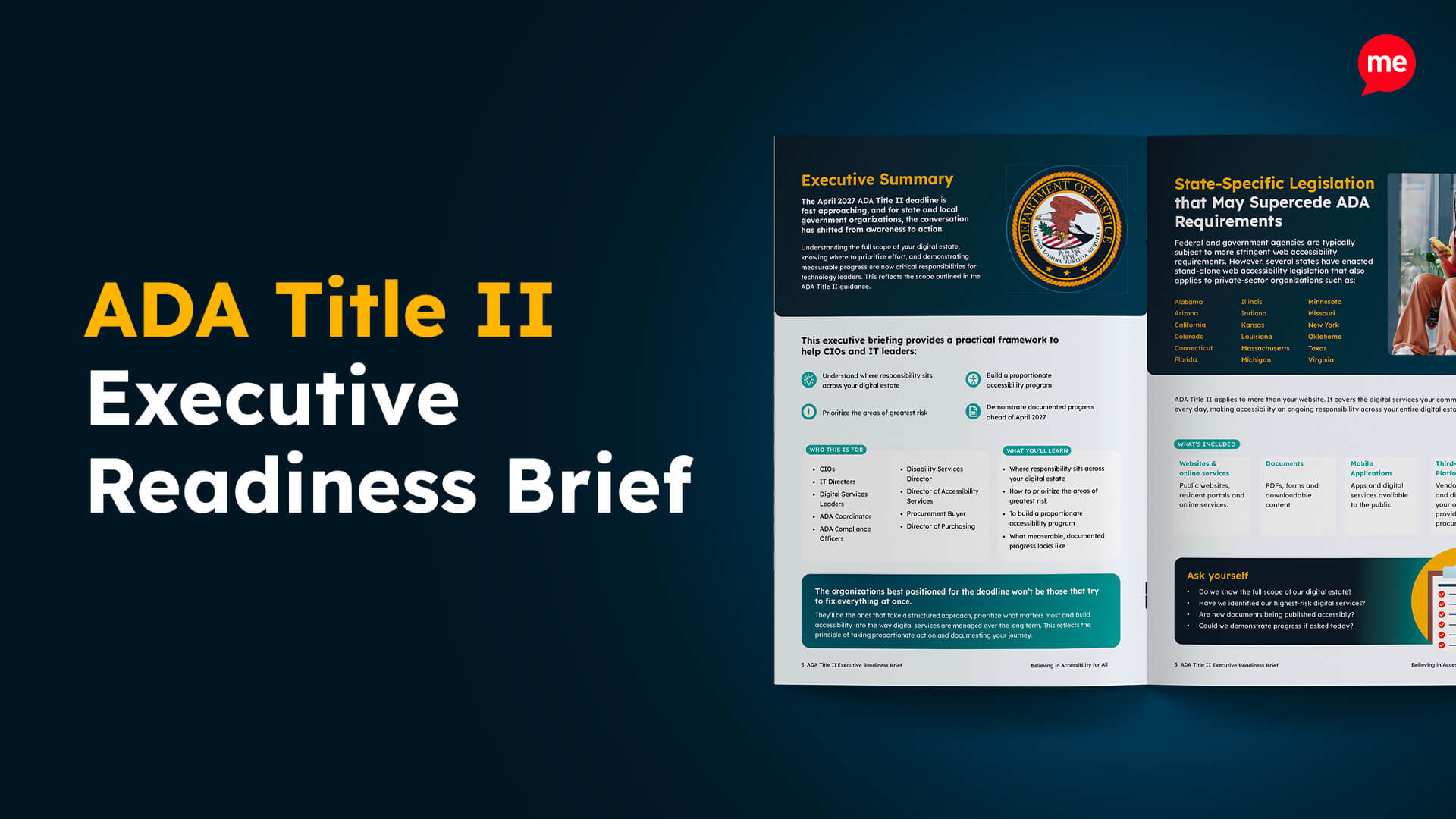
The DOJ recently set an April 2027 deadline for public sector organisations serving populations of over 50,000 to achieve full ADA compliance. Following this date, government agencies, educational institutions, and healthcare providers are expected to face heightened scrutiny.
Private businesses are not exempt from ADA compliance letters either. Medium to large enterprises, including e-commerce platforms, restaurants, and online banking services, are among those likely to face requests for compliance.

What are the reasons you could be sent an ADA compliance letter?
If your organization does not meet accessibility requirements under any title of the Americans with Disabilities Act, you can receive an ADA compliance letter. This can include various aspects of your services, spaces, or digital environments. Here are some of the most prominent cases:
Physical accessibility
Physical spaces may prompt an ADA compliance letter when features of a building or environment create barriers for people with different mobility, sensory, or cognitive preferences.

Common examples include:
- Inaccessible entrances without ramps or lifts
- Narrow doorways or corridors limit movement
- Parking areas without appropriate accessible spaces
- Counters or service desks positioned too high
- Restrooms lacking space or supportive fixtures
- Poor lighting or acoustics affecting navigation
- Unclear or inconsistent signage and wayfinding
Digital accessibility
Digital experiences can lead to ADA compliance letters when websites, apps, or online services are not usable by people with a wide range of access needs.
Common examples include:
- Missing text alternatives for images
- Limited or no keyboard navigation
- Low colour contrast reduces readability
- Content relying only on visual or audio cues
- Forms that are difficult to complete or submit
- Videos without captions or transcripts
- Layouts that break when zoomed or resized
- Unclear links or inconsistent page structure
Addressing ADA non-compliance in your digital environment
If your ADA compliance demand letter highlights barriers within your digital content, Recite Me can support you in addressing them. Using a suite of accessibility tools and software, we work with organisations to identify issues, improve usability, and align with recognised accessibility standards. Here’s a closer look at how this can be approached:
1. Run an ADA compliance audit of your website
Running an ADA compliance audit with the Recite Me Website Accessibility Checker is a practical first step in identifying where barriers may exist within your digital environment. The audit will identify inaccessibility using WCAG 2.2, which is the standard used for ADA compliance. During the process, an automated scan will run to assess elements like navigation, structure, colour contrast, and compatibility with assistive technologies.
When the scan is complete, you’ll be provided a prioritized action plan of the ADA compliance issues that need to be addressed. As you resolve these issues, you can track your progress and download a shareable report.
2. Remediate PDF documents for ADA compliance
The Recite Me PDF Accessibility Checker is an industry-leading tool to help remediate PDF documents to ensure they’re accessible and ADA-compliant. It works by running a scan of your entire website to find every PDF document and identifying the accessibility issues across these documents. You can then apply automated fixes at scale, helping to remediate ADA compliance issues at the touch of a button.
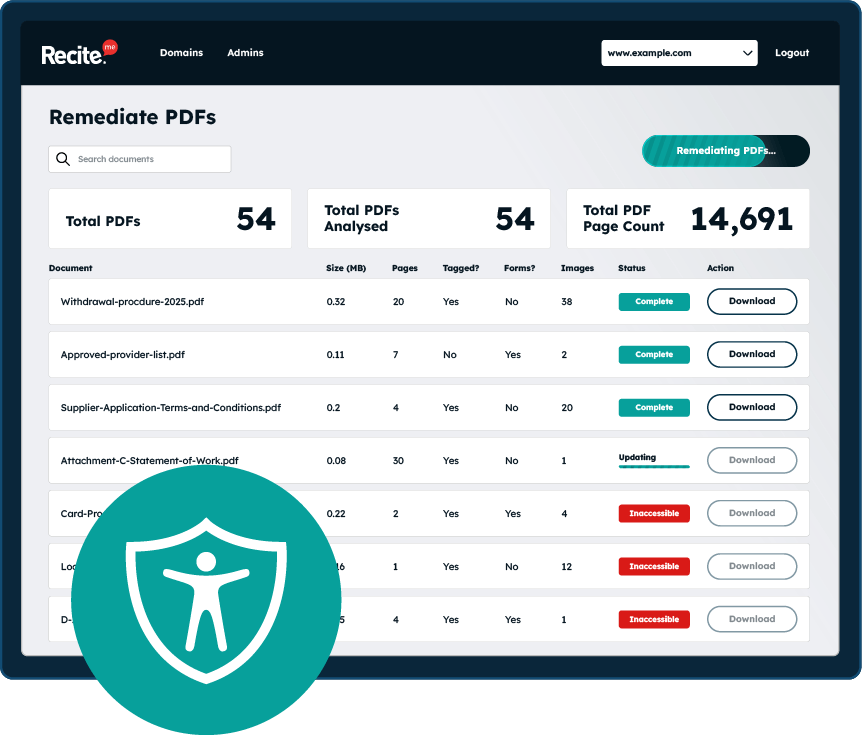
After you have remediated the existing PDFs on your website, you can use the tool for long-term monitoring. Plus, any newly published PDFs can be passed through the tool to ensure compliance with ADA standards.
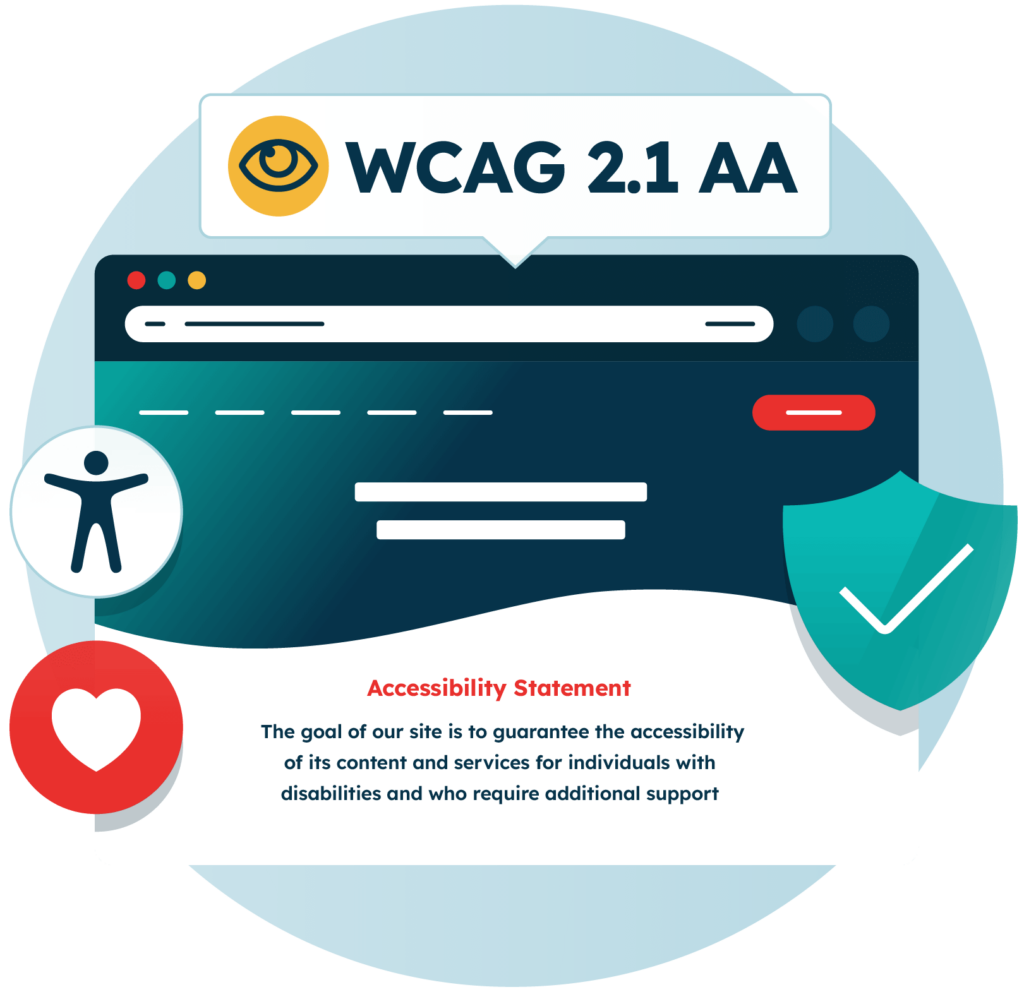
3. Publish an accessibility statement on your website
Once you’ve made the necessary updates to address ADA compliance risks, it’s important to communicate these improvements. Publishing an accessibility statement is an effective way to do this. It lets visitors know about the accessibility features you’ve implemented, explains how you tackle potential barriers, and provides a clear channel for reporting any issues they may encounter.
At Recite Me, we have a free website accessibility statement that you can download. The template provides a basic outline that you can adjust to meet your needs.
Responding to your ADA demand letter for compliance
Receiving an ADA compliance letter can feel daunting, but approaching it thoughtfully and professionally is key. Here’s a step-by-step guide to help you respond effectively while demonstrating your commitment to accessibility.
1. Acknowledge the letter
Start by formally acknowledging that you received the correspondence. This shows professionalism and responsiveness.
Example: “We acknowledge receipt of your letter dated [date] regarding ADA compliance concerns at [location/website/service].”
2. Express your commitment
Clearly state your dedication to accessibility and ADA compliance.
Example: “We are committed to ensuring our facilities/services/website are accessible and inclusive for all individuals, in accordance with the ADA.”
3. Review and assess
Let the sender know that you are carefully reviewing the concerns raised and evaluating your practices or facilities.
Example: “We are reviewing the issues outlined in your letter and assessing our policies, procedures, and facilities to ensure full compliance with ADA standards.”
4. Outline next steps
Provide a brief outline of the steps you’ll take or a timeline for following up.
Example: “Our team will conduct a thorough assessment and implement any required improvements. We aim to provide a detailed response or plan of action by [specific date].”
5. Request clarification if needed
If the letter isn’t specific enough, politely ask for additional information to address all concerns fully.
Example: “To ensure we fully address your concerns, could you please provide additional details regarding [specific areas/issues]?”
6. Close professionally
End on a cooperative and professional note, showing you take the matter seriously.
Example: “We appreciate your bringing these matters to our attention and look forward to working together to ensure accessibility and compliance.”
Following up internally on ADA compliance letters
After responding to an ADA letter, a proper follow-up plan is still important. Start by documenting the correspondence and your response thoroughly, so you have a clear record of what was communicated. If needed, you should also consult your legal counsel or an ADA accessibility expert to ensure your actions are appropriate and compliant. Finally, keep detailed records of all steps taken and communications for future reference, as this can be invaluable if any questions or follow-ups arise.
Free ADA Compliance Audit of your Website
Run a free scan of your website's homepage to identify any ADA violations. Then, use our recommendations to implement fixes and achieve ADA compliance.
Work towards ADA compliance today
Receiving an ADA compliance demand letter can be unsettling, but taking the right steps can help minimize its impact. Begin by carefully reviewing the letter and addressing the specific accessibility concerns it raises. With Recite Me, making these adjustments is easier than ever, thanks to our web accessibility checker and PDF remediation tools.
You can get started today by downloading a free ADA compliance check for your homepage or a PDF remediation scan of your website. Alternatively, contact us to speak with an expert member of our accessibility team.
ADA Compliance Demand Letter FAQs
Looking for a recap or quick summary? Here are a few of our most frequently asked questions to help you get to grips with the essentials:
How common are ADA compliance letters?
It’s estimated that over 100,000 ADA compliance demand letters were sent in 2025, a figure that continues to grow each year.
Who sends ADA compliance demand letters?
ADA compliance demand letters are typically sent by individuals, advocates, or law firms on behalf of someone who has experienced accessibility barriers. They may highlight areas where a website, facility, or service may not meet ADA requirements.
Why are ADA demand letters sent to organizations?
These letters are sent to raise awareness of potential accessibility issues and to request that an organization take corrective action. They aim to ensure compliance with the Americans with Disabilities Act and promote equal access for all.
Can I ignore an ADA compliance demand letter?
Ignoring a demand letter is risky. While it is not a lawsuit, failure to respond or address the issues may increase legal exposure, potentially leading to formal complaints, litigation, or costly settlements.
Can ADA demand letters lead to lawsuits?
Yes, if the issues are not addressed, the sender may pursue formal legal action. Demand letters often serve as a warning or an opportunity to resolve concerns before litigation begins.
How can I prevent receiving ADA demand letters?
Proactively implementing accessibility best practices, conducting regular audits, and addressing barriers promptly can reduce the likelihood of receiving a demand letter.
Is it possible to negotiate a resolution to an ADA compliance letter?
Yes. Many organizations resolve issues through dialogue with the sender, which may involve remediation plans, deadlines, or agreements to prevent formal litigation.
Are there costs associated with responding to a demand letter?
Costs may include accessibility audits, expert consultations, design or development work, and potential legal fees. This highlights the importance of investing in accessibility best practices, as it is often less costly than litigation later.
Need more help becoming ADA compliant?
The following resources are packed full of actionable tips and expert advice for making your digital content compliant with the Americans with Disabilities Act:
Free ADA Accessibility Training
Take the first step to ADA compliance by completing our training course.
Free ADA Accessibility Guide
Ensure your organization is meeting the requirements for ADA compliance.