


























36 years of progress. One year of action
View 36 for 36– Ross Linnett, CEO and Founder, Recite Me– Ross Linnett, CEO and Founder, Recite Me
Over the past year, digital accessibility has gained more attention than it has for some time.
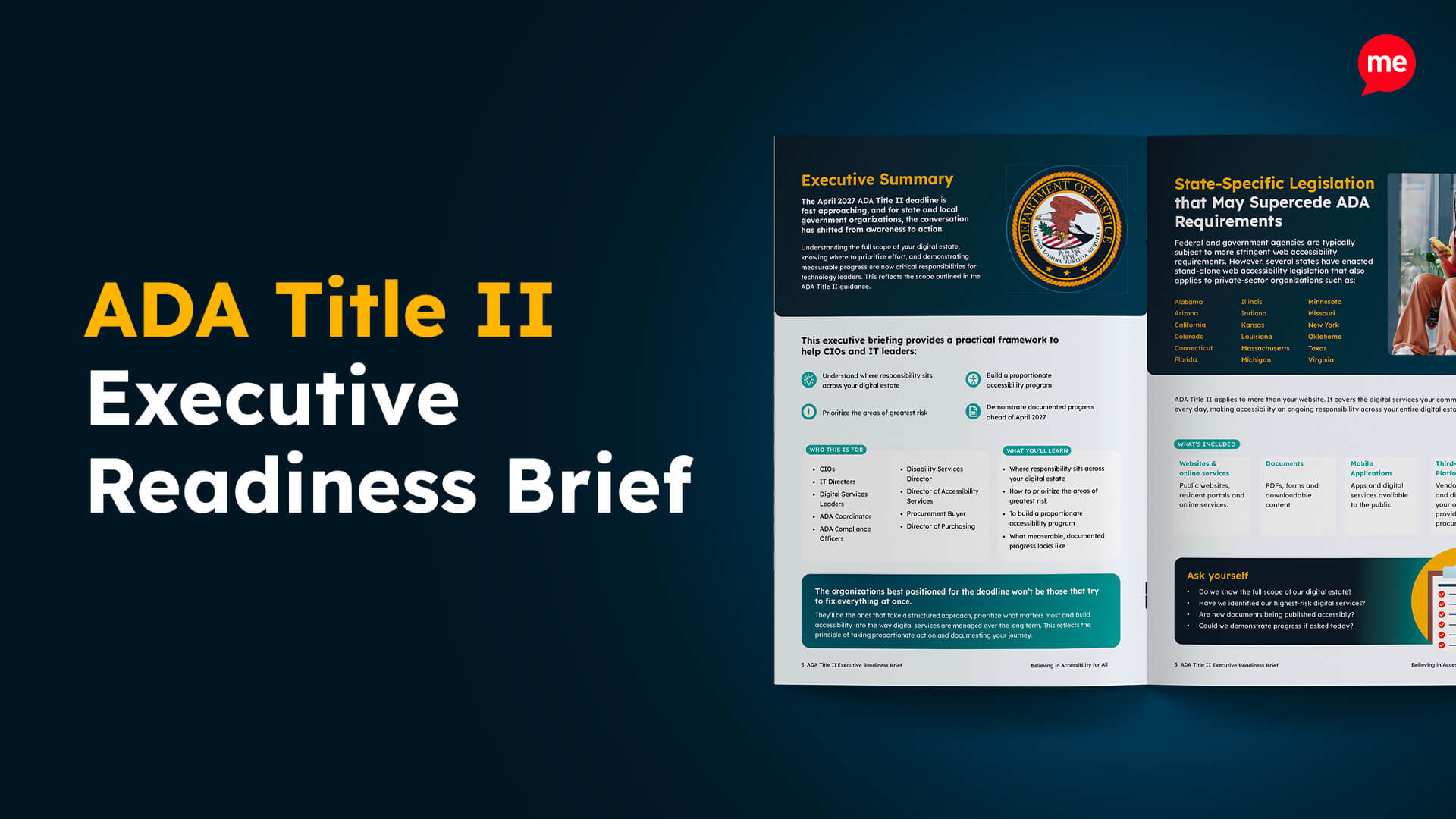
In the United States, the Department of Justice’s ADA Title II rule has given public entities clearer expectations for the accessibility of their websites and mobile applications. Across Europe, the European Accessibility Act has introduced new obligations for many organizations.
Legislation like this creates deadlines, establishes expectations and gives accessibility greater visibility at leadership level. But legislation alone doesn’t give organizations the resources to deliver, and it’s starting to show.
New research from NASCIO
New research from the National Association of State Chief Information Officers (NASCIO) shows that states are making progress on digital accessibility, but many are struggling to turn policy into implementation.
Among state digital accessibility leads surveyed, it found:
- 69% said they don’t have the resources or staff required to remediate all state websites and applications by next April
- Two thirds have no dedicated digital accessibility budget
- More than half don’t have a team reporting to them.
Authority is another challenge. Just 17% of respondents said they have accessibility oversight across all state agencies.
What this research means
The challenge isn’t simply whether organizations understand that accessibility matters. In many cases, they do. The challenge is creating the capacity, governance and resources to make it happen consistently.
The extension to some DOJ Title II compliance deadlines has given organizations more time to prepare. At the same time, wider debate around disability policy and the future direction of federal enforcement has created questions about what happens next.
But whether the challenge is uncertainty, competing priorities or simply a lack of people and budget, the risk is the same: accessibility progress slows and end-users, real people are the ones who are impacted.
How we’re helping organizations with our 36 for 36 campaign
Accessibility needs to become part of procurement, product development, governance, digital transformation and customer experience. And importantly, organizations need practical ways to make that transition when resources are already stretched. That’s one of the reasons we introduced our 36 for 36 initiative.
We wanted to not only mark the anniversary of the ADA but put practical resources behind the ambition to make digital experiences more accessible.
Over the next year, we’re providing accessibility health checks for eligible nonprofit and small organizations, offering PDF accessibility support, running clinics with our accessibility specialists and recognizing Digital Accessibility Champions who are helping make digital inclusion part of everyday decision making.
These aren’t substitutes for long-term accessibility strategies, but some practical ways to help organizations understand where they are, identify priorities and take another step forward. With potentially millions of people excluded from digital experiences, that feels like the right thing to do.