






















Get Your Free Accessibility & Inclusion Toolkit
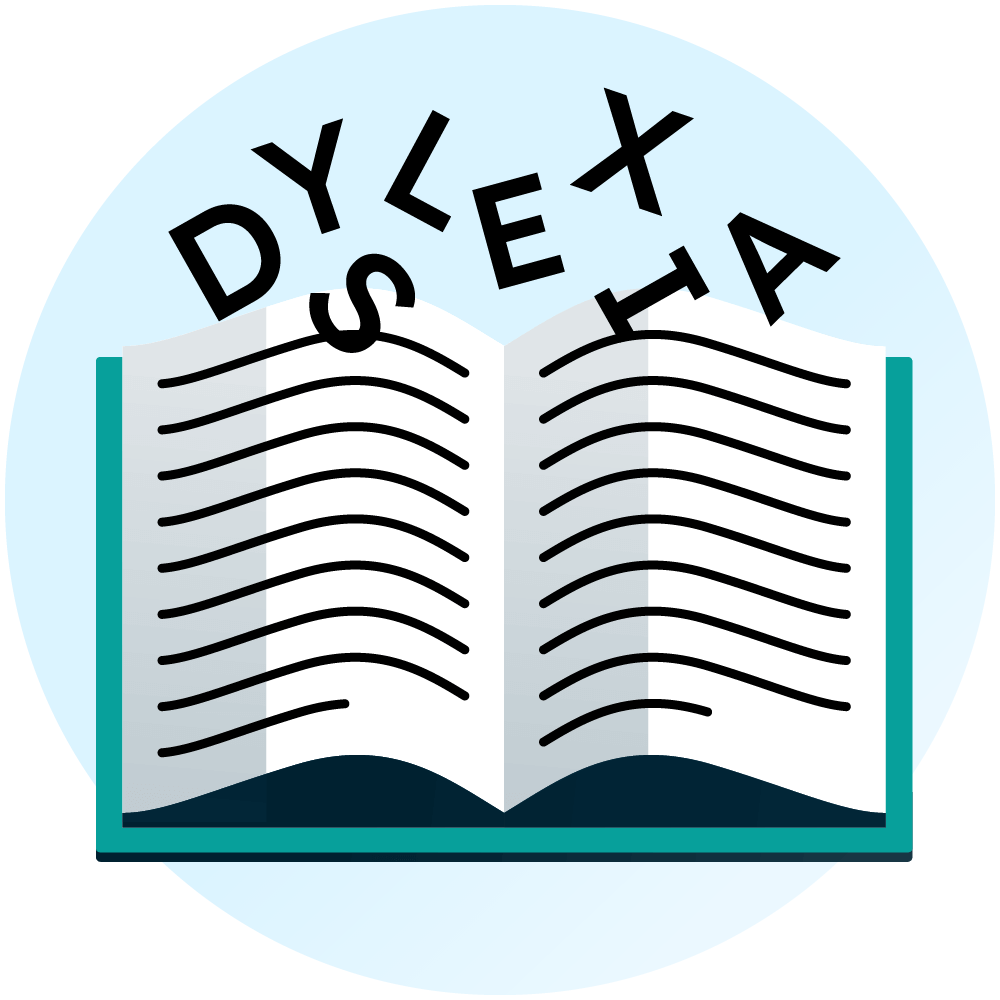
Download NowOctober is Dyslexia Awareness Month, a time to recognize the millions of people who learn differently and to challenge the misconceptions that still surround dyslexia. It’s estimated that as many as one in five people show some signs of dyslexia, yet many go undiagnosed or unsupported, left to navigate classrooms, workplaces, and online spaces that weren’t designed with them in mind.
We caught up with Jessica Robertson, Program Manager at the Nelms Foundation, about the Foundation’s mission, the myths that persist around dyslexia, and why inclusive digital experiences matter so much to the community they serve.
1. What is the mission of the Nelms Foundation?
Dedicated to empowering people in the dyslexia community to achieve their greatest potential by providing training, therapy, information, and support.
2. What sort of support does the Nelms Foundation provide?
- Teacher Training – The most important nationwide teacher training need is to provide the specialized training teachers need to teach students with dyslexia how to read. We offer teacher training on many levels – all the way from intensive Certified Academic Language Therapists, which is a 2-year training beyond a Master’s degree, to Certified Academic Language Practitioners which is a 1-year training beyond their bachelor’s degree and basic awareness and professional development. We believe all teachers should be trained and knowledgeable about dyslexia and how to spot it. For those students diagnosed with dyslexia, we believe they need and deserve to be taught by a teacher that has been specially trained to work with them.
- Dyslexia Assessments – In addition to teacher training, the center also provides other support, including dyslexia assessments. We see students from kindergarten to college, and some adults well into their careers, for dyslexia assessments. We gather background and family information and then take them through a set of questions, tests, and exercises. Our Assessors then analyze the results and identify areas of strength and weakness and then, if appropriate, we provide an educational diagnosis of dyslexia. Our assessments help identify what the individual needs to become a better reader and how to help them.
- Reading Therapy – Based on a student’s assessment and dyslexia profile, we will recommend a curriculum and pair them with a therapist at our center that best meets their learning needs. It’s typically a 2-year commitment for the family and student and over that time, meaningful and lasting relationships are often formed between the family and the therapist because it is truly a life changing experience for not only the student but the entire family.
- Community Outreach – We offer informational classes for the community to bring more awareness and understanding of what dyslexia is. We also offer support groups for parents so they’re able to connect and learn from each other. Families can feel very alone in their journey, but there are many families out there facing similar obstacles, so we encourage them to connect. We also have a group of adults with dyslexia that meet at the center. They’re able to share their experiences and learn from each other.- Beyond teaching students with dyslexia how to read, we believe that one of the most important elements of their success is helping them discover their strengths and rebuilding their self-esteem. We are developing this program currently with partners and are excited about it!
3. What is commonly misunderstood about dyslexia?
Having dyslexia doesn’t mean pepople aren’t smart. It means they have trouble with reading and other skills that involve language. Signs of Dyslexia show up differently at different ages. For example, for preschool aged kids, this might look like a child having trouble learning nursery rhymes or singing the alphabet. For tweens, teens, and adults, this can look like someone who often searches for words or uses substitutes like ‘gate’ instead of ‘fence’, or finding it easier to answer questions about texts that are read aloud.
Additionally, dyslexia is lifelong, and with the right support, people can improve their reading. Many thriving adults with dyslexia say it helped them be more creative and resilient.
4. Why is it important for the Nelms Foundation to provide inclusive online experiences?
It’s important for us to offer information to individuals in the format that works best for their learning style, such as text-to-speech, text size, and format, etc. Offering an accessibility toolbar, like Recite Me, allows the user to customize their settings to best meet their needs and lessen their learning hurdles.
Discover fonts designed to make reading easier for people with dyslexia. The right font can greatly improve readability and comprehension, ensure your content is accessible to everyone with our font guide.