Tenants and homeowners in the US need access to the online services they rely on. This could be as simple as searching for a new property or as urgent as reporting a water leak.
Despite this, many websites in the housing industry are becoming increasingly inaccessible. And with almost one in four people having some type of disability, there’s a real need to see these inefficiencies improved.
If you’re working in the housing sector, this guide is for you. It explains what website accessibility means for housing providers, the laws that apply, and how to address existing barriers.
What is website accessibility in the housing sector
Website accessibility is all about designing digital content that can be used by everyone. This includes people with diverse needs, including visual, auditory, motor, and cognitive impairments.
For the housing sector specifically, there are many website elements that this touches on. Application forms are the obvious starting point, but tenant portals, repair reporting tools, rent payment pages, property search listings, and downloadable documents are all within the scope of accessibility requirements.
It’s pretty much any system that a tenant or buyer might encounter when they use your services online.
Why is website accessibility important for housing providers
Housing is not a luxury service. People depend on it, so digital barriers have real consequences. Here are some of the most common examples of its importance:
Improving the tenant experience
Implementing accessibility best practices doesn’t just help those with disabilities; it lifts the experience for everyone. Clear structure, readable text, and simple forms are just a few examples of this.
And a better experience means a happier customer, meaning they’re far more likely to stick around and continue using your services.
Making essential housing services accessible
Tenants need methods to report problems such as damp, faulty appliances, and other repair requests. Websites and tenant portals are one of the most common tools used for this purpose, so they need to be accessible to everyone.
Even basic features, like the ability to pay rent online, must be made accessible. If it isn’t, then you’re impacting your own cash flow, particularly if tenants frequently struggle to pay on time because of poorly designed websites.
Reaching more people in the community
For areas of the sector such as social and affordable housing, applications may be disabled, older, or less confident online.
Building an accessible website ensures they’re not shut out of the online application process before it starts. This means you maximize the number of people your organisation can reach.
Supporting independent living
Many disabled and older residents prefer managing their housing without additional assistance. But inaccessible websites make this a challenging proposition, meaning they often have to seek out additional support from family, friends, or by calling helplines.
By ensuring your online services are built to be as streamlined and as easy to use as possible, you give these users the independence they want. Not to mention, it also drastically reduces the number of calls and emails your team must handle.
Get a Free Accessibility Check of your Website
Run a scan to identify WCAG issues on your website's homepage. Then, use our recommended changes to achieve compliance with the latest accessibility standard.
What accessibility legislation applies to housing websites?
Two main pieces of US legislation affect housing providers. Which one applies depends on the type of organisation you are.
Americans with Disabilities Act (ADA)
Under the ADA, both public and private organizations must adhere to WCAG 2.1 Level AA.
If you work for a housing provider funded by the government, you fall under Title II, which has compliance deadlines in April 2026 and 2027. If you’re working for a private business, then you fall under Title III requirements.
Fair Housing Act
The Fair Housing Act prohibits disability discrimination in renting, buying and financing homes. It does not set a web standard.
However, it requires reasonable accommodations, and an inaccessible listing or application can block equal access. Additionally, complaints often cite these barriers.
Section 504 of the Rehabilitation Act
Section 504 applies to housing providers that receive federal funding, such as those working with HUD. It bars disability discrimination and requires effective communication.
Moreover, this covers online applications, portals, and notices. Therefore, an inaccessible tenant portal can create risk even where ADA web rules do not yet apply.
Using WCAG standards to address accessibility in housing
The Web Content Accessibility Guidelines (WCAG) are the benchmark for building websites that work for everyone. The Level AA requirements in version 2.2 of WCAG are what every housing provider should aim for as the gold standard.
Why is this minimum requirement important? It’s referenced frequently in accessibility legislation, including the Americans with Disabilities Act. And even in legislation where it isn’t referenced directly, it can be used as strong evidence for compliance.
If you can successfully achieve compliance with WCAG 2.2 Level AA, you’re on the right track to an accessible website.
Common website accessibility barriers in the housing sector
Housing websites tend to share the same problems. Knowing them helps you target your audit.
Inaccessible housing application forms
Inaccessible website forms often have unlabelled fields, unclear error messages, and timeouts that wipe data you’ve already entered. As a result, people with diverse needs struggle to finish the application.
Forms should be designed in a way that minimizes these barriers. It should also be possible to use the form with keyboard only.
Poorly accessible tenant portals
Housing providers often rely on third parties to supply their portals, so they often assume the technology is compliant. But many are not. Common faults include confusing navigation, inaccessible payment steps, and pop-ups that trap keyboard focus.
Inaccessible PDFs and housing documents
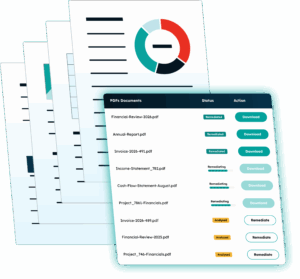
PDFs are frequently used for tenancy agreements, leasehold contracts, purchasing agreements, and policies. But they’re often uploaded as scanned or untagged documents.
This means that screen readers cannot easily understand and convey the context. Plus, readers cannot easily resize or reflow the text on mobile.
Keyboard and screen reader barriers
Millions of website users every day rely on keyboard-only navigation. Yet most digital content can only be accessed and used with a mouse. This prevents navigation for people with diverse needs and their screen reader technology.
Images without meaningful alternative text
A large portion of a housing website’s digital content will be in images. This includes property photos, floor plans, and icons.
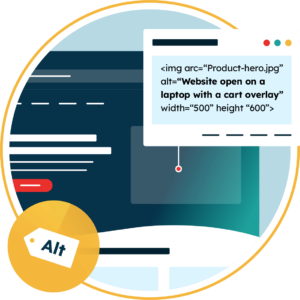
But if they don’t have descriptive alt text, people with visual impairments will struggle to understand the context.
Poor color contrast and difficult-to-read text
If you put light grey text onto a white background, it’s almost impossible to read, even if you’ve got 20/20 vision! Now imagine if you’re someone with a visual impairment…
It’s not just color contrast that matters. The font type and text size can also affect readability. We recommend using dyslexia-friendly fonts, such as Lexend or Arial, and choosing a readable font size to make your content more accessible.
How can housing providers improve web accessibility?
A structured approach makes the work manageable. Follow these five steps.
Step 1: Run a free accessibility check on your website
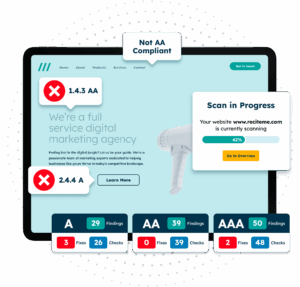
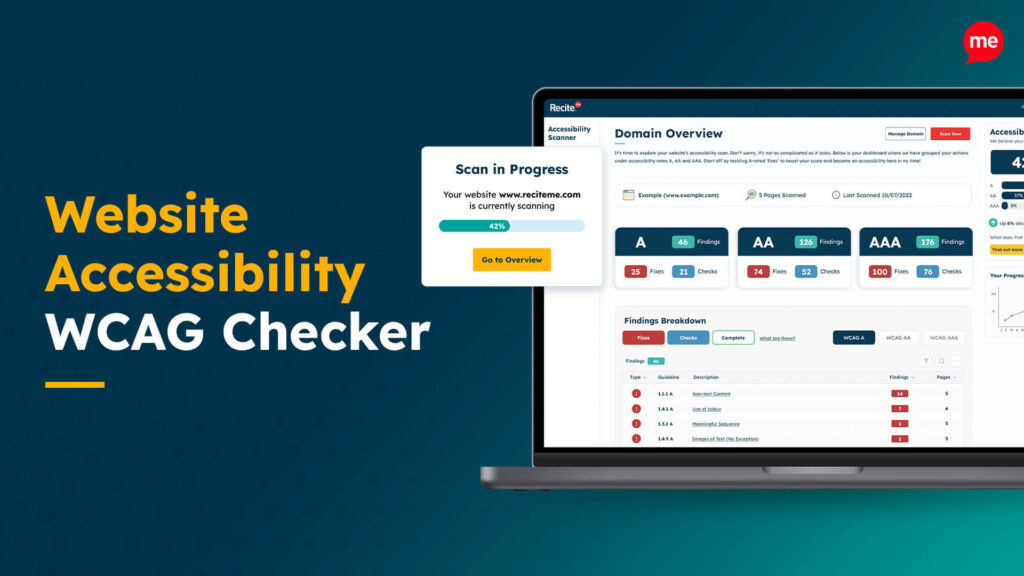
Not sure where you stand? Running an accessibility scan of your website is a good starting point. This will detect the most common issues, like missing alt text, poor contrast, and unlabelled form fields.
Step 2: Prioritize accessibility fixes based on tenant impact
Start by addressing the pages that tenants rely on first. This could include repair reporting, rent payments, applications, and contact pages. If you’re unsure what to prioritize, you can use analytics tools to check your highest-traffic pages.
Step 3: Improve PDF and document accessibility
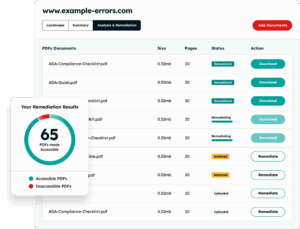
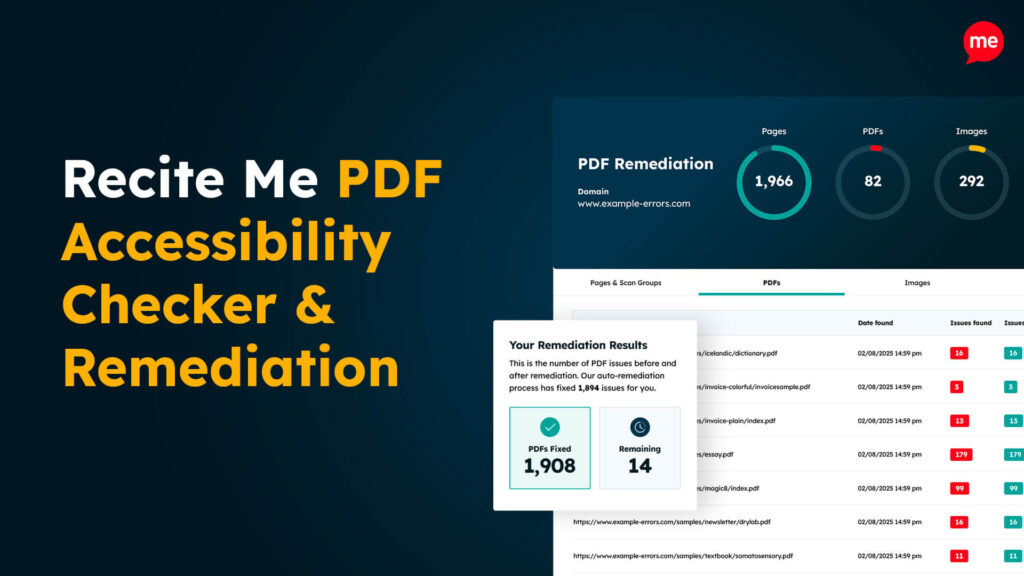
Don’t stop at remediating your website. Documents need attention too, so audit your most downloaded PDFs, identify issues, and implement fixes to improve accessibility.
Website and PDF accessibility doesn’t stop just because you’ve implemented one set of fixes. Requirements are updated over time, and major website overhauls could impact your accessibility rating. For this reason, it’s important to schedule ongoing accessibility checks to detect future violations.
Step 5: Publish an accessibility statement
An accessibility statement explains how accessible your site is, lists known issues, and gives a contact route for feedback. It’s a great way to show off your current progress while giving customers the reassurance that you’re committed to continuous improvements.
What are the benefits of implementing accessibility strategies?
If you’re committed to making your housing website more accessible, it can benefit the organisation in several ways. Here’s a quick shortlist of the most popular benefits:
Stronger reputation: You show a clear commitment to inclusion.
Wider reach: More applicants and residents can use your services.
Faster repairs: Accessible reporting tools help issues reach you sooner.
Better tenant satisfaction: Easier online journeys lead to fewer complaints.
Reduced contact costs: Tenants can self-serve, so fewer calls and emails reach your team.
Lower legal risk: You meet your duties under the ADA, Section 504, and the Fair Housing Act.
Get a Free Accessibility Check of your Website
Run a scan to identify WCAG issues on your website's homepage. Then, use our recommended changes to achieve compliance with the latest accessibility standard.
Final take on web accessibility in the housing sector
At its core, website accessibility in housing is about fair access to essential services. This is important for customers, but it also makes good business sense. Start by checking your website, fix the barriers that affect tenants, and publish an accessibility statement.
All housing providers must adhere to the Americans with Disabilities Act. Some may also be required to comply with Section 504 and the Fair Housing Act.
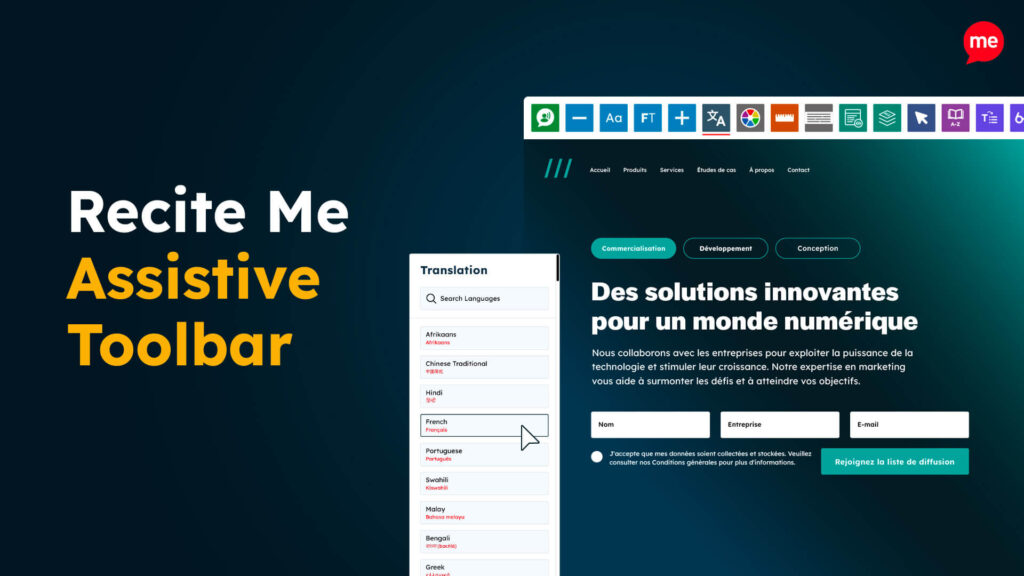
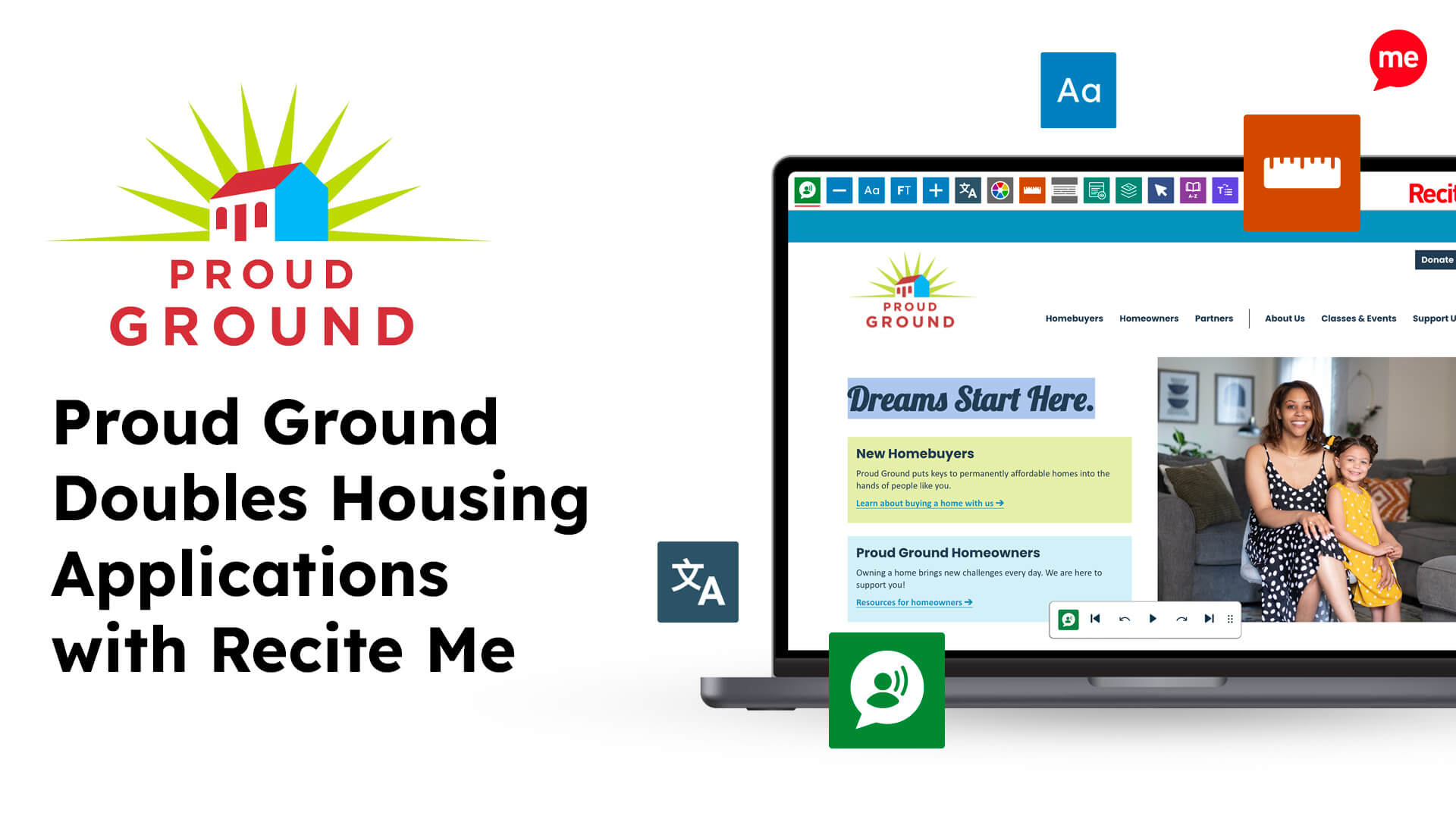
Property People integrated the Recite Me Assistive Toolbar into its website, ensuring that their housing application portal was clear, readable, and user-friendly for everyone....