

Get a Free Accessibility Check of your Website
Run a scan to identify WCAG issues on your website's homepage. Then, use our recommended changes to achieve compliance with the latest accessibility standard.
The clock is running if your healthcare organization receives federal assistance from the US Department of Health and Human Services (HHS), you are now subject to enforceable digital accessibility requirements under Section 504 of the Rehabilitation Act. A hard compliance deadline is fast approaching and could impact you. This guide breaks down what Section 504 requires, when your organization must comply, what failure looks like in practice, and the steps you can take right now to get ahead of it.
What is Section 504?
Section 504 of the Rehabilitation Act of 1973 prohibits disability-based discrimination in any program or activity that receives federal funding. For healthcare, this means hospitals, clinics, behavioral health providers, FQHCs, home health agencies, and any organization participating in Medicare or Medicaid are covered.

In May 2024, HHS finalized the first digital-specific update to Section 504 in nearly 50 years, setting an explicit technical standard for digital accessibility and a concrete deadline to meet it. This update closed a significant gap, prompting specific requirements for websites and digital content.
What is the Section 504 deadline for healthcare organizations?
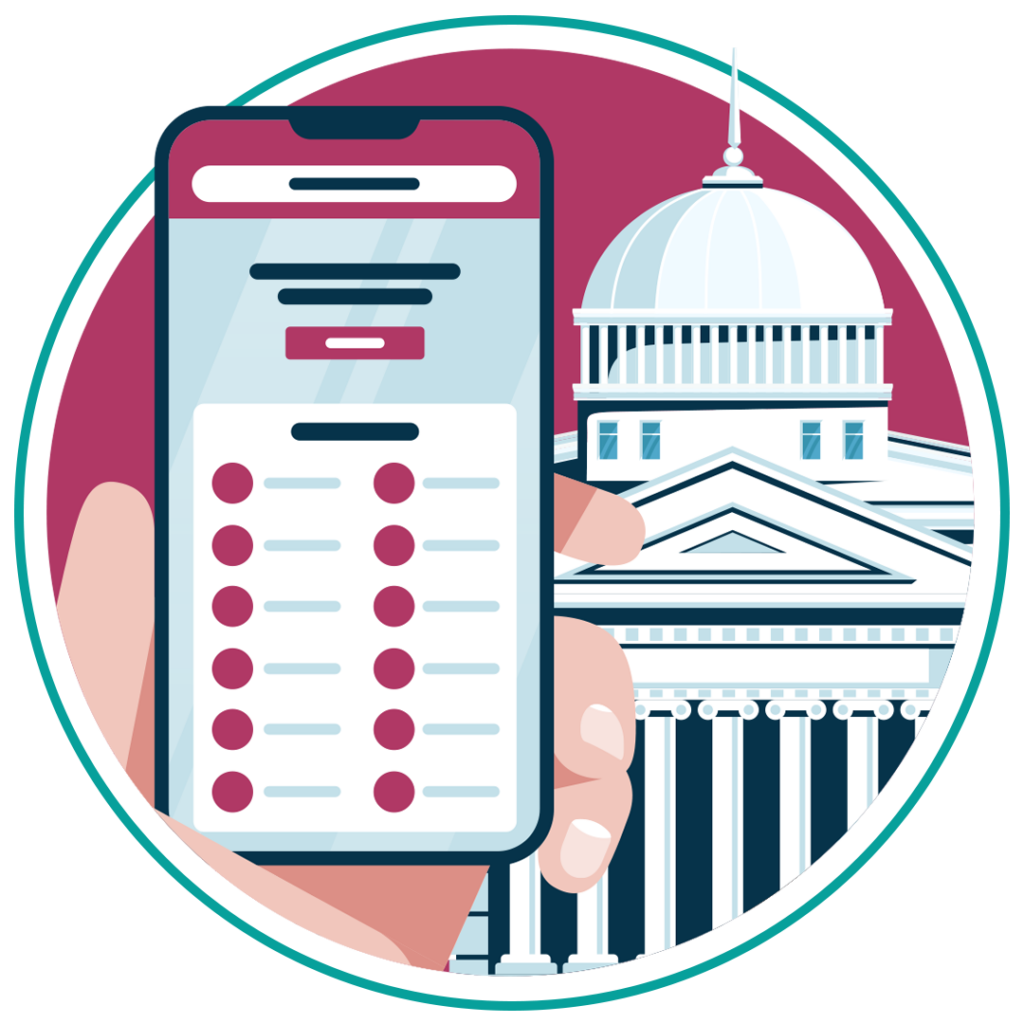
When the HHS Section 504 Final Rule took effect on July 8, 2024, it sets two hard deadlines for digital accessibility. These include:
- May 11, 2027 — for organizations with 15 or more employees
- May 10, 2028 — for organizations with fewer than 15 employees
By these dates healthcare organizations that receive federal funding must ensure websites and digital content conform to WCAG 2.1 Level AA.
What are the most common Section 504 accessibility failures?
Many healthcare organizations wrongly assume their products and services are accessible online, but a quick audit can discover significant errors. These failures are rarely obscure edge cases, instead, they tend to be systematic gaps that affect patient-facing journeys like scheduling, accessing health records, completing intake forms, and navigating telehealth platforms.
The most frequently identified failures include:
- Missing image alt text — Images, diagrams, and medical infographics without descriptive alternative text are invisible to screen reader users, cutting off access to critical health information.
- Poor color contrast — Text that doesn’t meet minimum contrast ratios (4.5:1 for standard text under WCAG 2.1 AA) fails users with low vision or color blindness, an especially high-risk group in healthcare audiences.
- Inaccessible PDFs — Discharge summaries, consent forms, referral letters, and patient instructions posted as untagged PDFs are functionally unusable with assistive technology.
- Mobile inaccessibility — Patient portals and telehealth platforms not optimized for mobile screen readers or touch-based navigation exclude a significant portion of users.
- Missing keyboard navigation — Interactive elements like appointment booking tools or medication request forms that can’t be operated without a mouse lock out users who rely solely on a keyboard.
- No captions or transcripts on video content — Health education videos, telehealth recordings, and explainer content without captions fail deaf and hard-of-hearing users.
- Inaccessible online forms — Form fields without proper labels, error messages that don’t identify the problem clearly, and time-limited sessions that can’t be extended all create compliance risk.
- Login and authentication barriers — Multi-factor authentication methods that rely solely on CAPTCHA, drag-and-drop, or visual puzzles block users with cognitive or motor disabilities.
What are the risks of Section 504 non-compliance?
The consequences of missing the Section 504 deadline extend well beyond a regulatory warning letter. The consequences of falling short can include loss of federal funding, OCR enforcement action, and private litigation. For most healthcare organizations, federal financial assistance, through Medicare, Medicaid, or HHS grants, is essential and losing it is not a risk worth taking.

Beyond formal enforcement, non-compliance creates direct risks to your reputation as a respected healthcare provider. Disabled patients may be naturally attracted to more accessible and user-friendly digital experiences provided by more progressive providers, which can impact patient retention and patient acquisition for those who fall behind. There is also vendor-side risk to consider, as software vendors and platform providers that cannot demonstrate WCAG 2.1 AA conformance risk losing or failing to win contracts with covered entities. In short, non-compliance is a liability that compounds legally, financially, and operationally.
Steps to achieve Section 504 compliance
Achieving compliance is not a single project. It requires a structured, phased approach that covers your digital estate, your documents, and your people. Three of the most critical starting points are outlined below.
Run an accessibility scan of your website
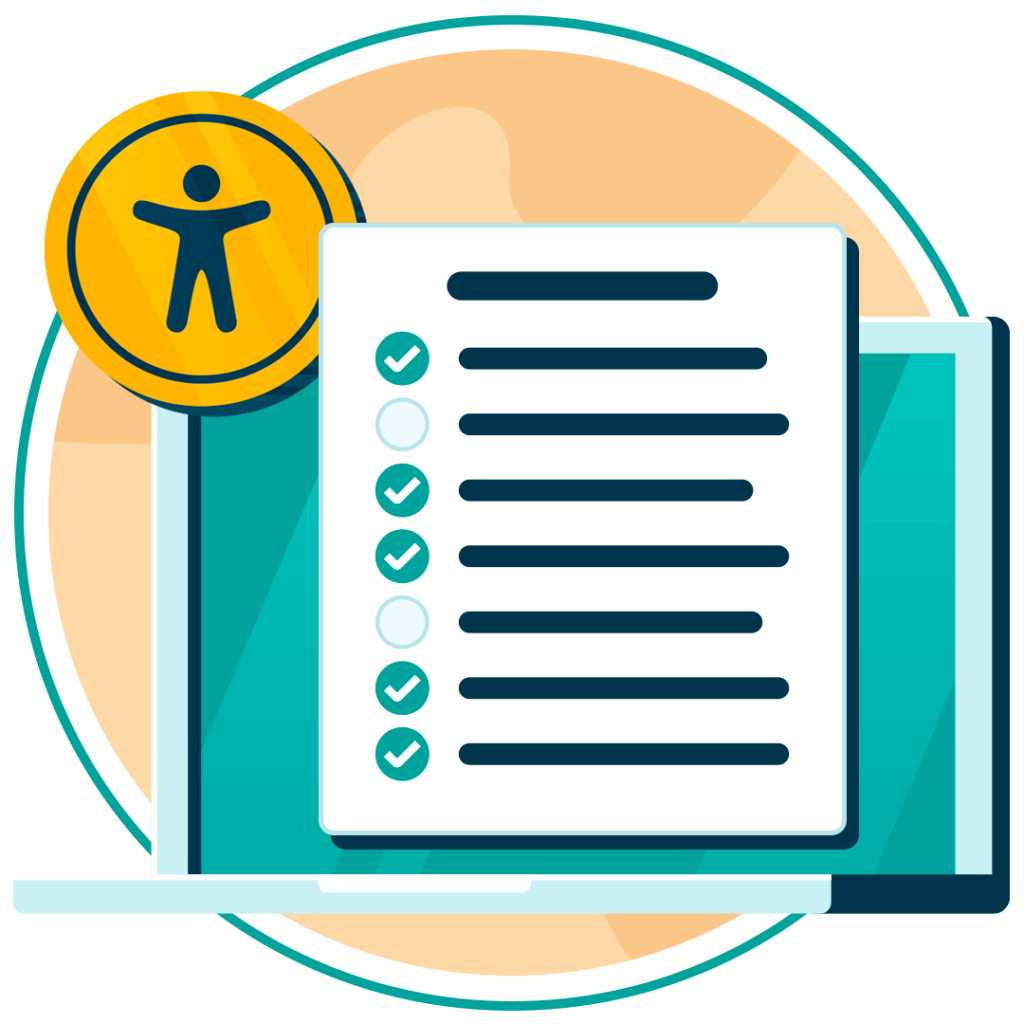
Before you can remediate anything, you need to know what you’re dealing with. An automated accessibility scan gives your team a rapid, evidence-based snapshot of your current compliance gaps across your public-facing web properties.
Our website accessibility checker audits your site against WCAG 2.2 AA criteria, identifying failures in color contrast, missing alt text, form labeling errors, keyboard navigation issues, and more. It produces a prioritized report your development team can act on immediately. For healthcare organizations managing large or complex sites, this first step converts an abstract compliance obligation into a concrete, manageable remediation plan.
Remediate your PDFs for accessibility
PDFs represent one of the highest-risk areas for healthcare organizations under Section 504, as they are routinely posted as untagged, inaccessible documents.

Under the Final Rule, any PDF actively used to help patients access, apply for, or participate in your services must be accessible, and the “pre-existing documents” exception does not cover documents still in use. Thankfully, our PDF accessibility checker can be used to automate remediation through AI-powered autofixes at scale. You can run a free scan today to get an accurate picture of your current PDF landscape.
Provide accessibility training to key employees
Accessibility failures can occur across multiple teams, from web developers to content creators and marketing experts. Any staff member responsible for publishing web content, creating PDFs, procuring digital tools, or managing patient communications needs practical accessibility training to prevent new barriers from being introduced as fast as existing ones are fixed.
To get started, we recommend sharing our free website accessibility training course with key contributors. It covers the essential accessibility best practices and WCAG standards your team need to address and implement.
Scan PDFs on your Website for Accessibility Issues
Locate every PDF on your website and instantly uncover the hidden barriers. You'll also receive actionable insights on how to achieve compliance with the latest accessibility standards.
Address your Section 504 compliance requirements today
The Section 504 deadline for healthcare organizations should be an immediate priority. The rule is active, enforcement authority is in place, and the technical standard is clear: WCAG 2.1 Level AA across your entire digital landscape. Organizations that wait for a complaint to act are taking on unnecessary legal, financial, and reputational risk. The path forward starts today and it’s all about understanding your current position, finding the accessibility gaps, and taking the appropriate steps towards change.
If your organization needs support assessing your current position or building a remediation plan, contact our team today to find out how we can help.
Section 504 compliance deadline for healthcare FAQs
Still have questions? Below are the top FAQs that organizations and content teams often have about PDF accessibility best practices.
Does Section 504 apply to private hospitals?
Yes, if they receive federal financial assistance from HHS. Organizations that participate in Medicare or Medicaid are treated as receiving federal financial assistance, meaning the majority of hospitals, clinics, and healthcare providers in the United States fall within this category.
What is the technical standard under the Section 504 Final Rule?
The rule mandates that covered entities make their digital properties conform to WCAG 2.1, Level A and Level AA success criteria.
What happens if my organization misses the Section 504 deadline?
OCR has the authority to investigate without a complaint being filed, and there is no grace period beyond the stated deadlines. Consequences can include loss of federal funding, formal enforcement action, and private litigation.
Does the rule apply to small healthcare organizations?
Yes, small clinics with 15 or fewer employees are subject to Section 504 compliance requirements. However, these clinics have until May 2027 rather than May 2026 to comply.
Check out our Products & Services
Ready to take your first steps towards digital accessibility compliance? Then see how we can support your journey with our accessibility solutions:
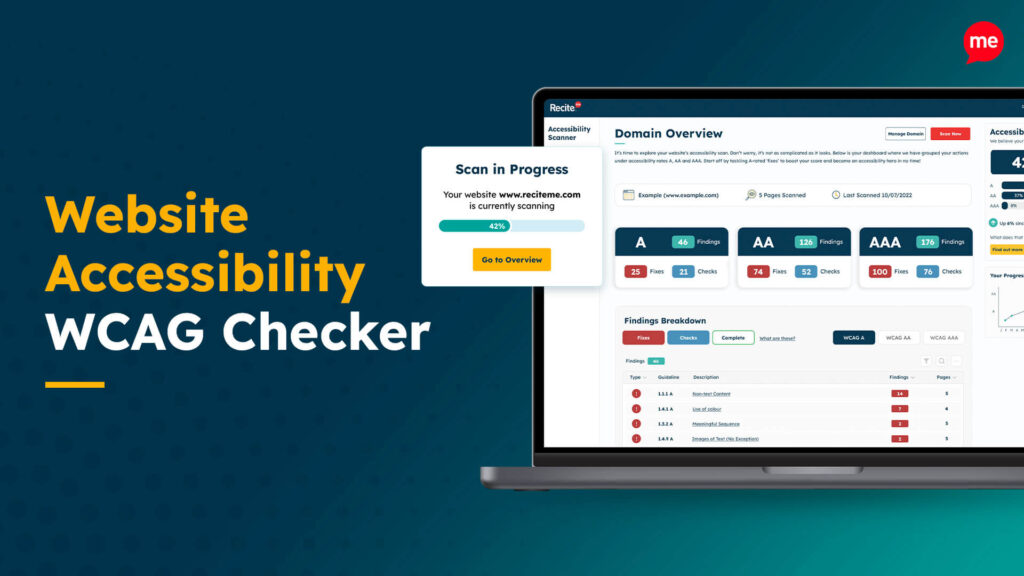
Web Accessibility Checker
Scan, detect, fix, and maintain accessibility compliance standards on your website.
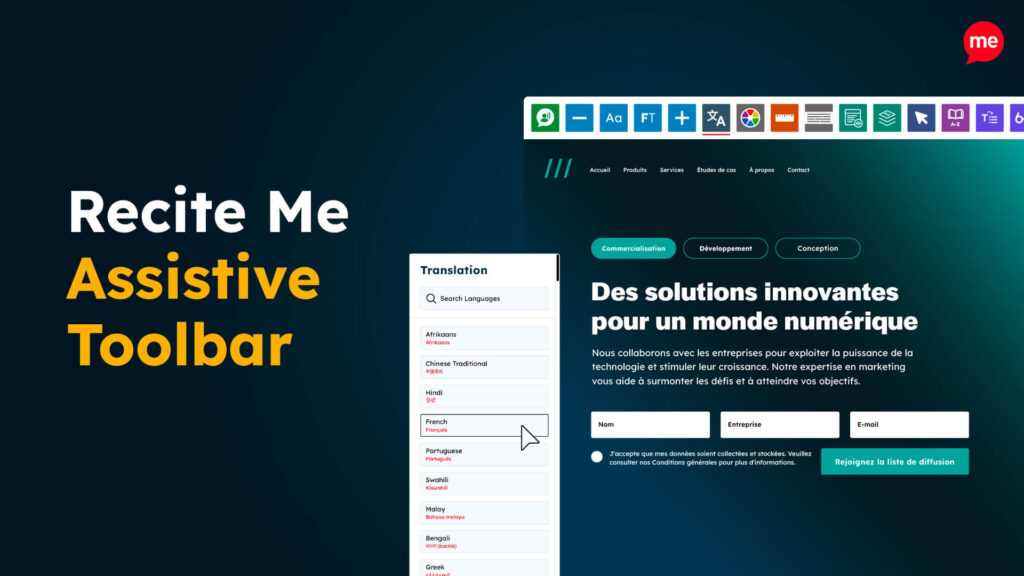
Assistive Toolbar
Make your website an inclusive and customizable experience for people with disabilities.
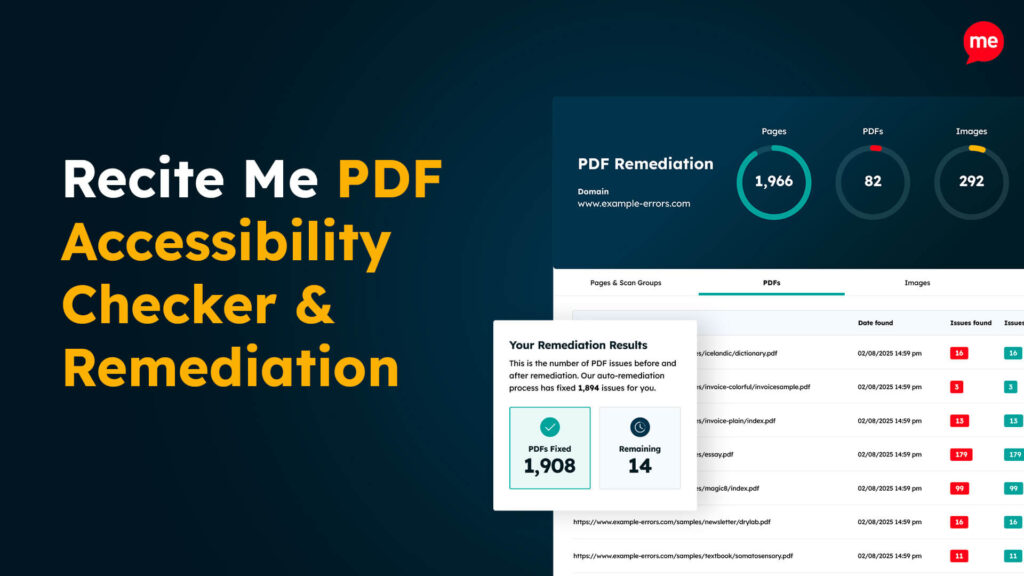
PDF Accessibility Checker
Check your PDFs are compliant with accessibility standards and run automated fixes.