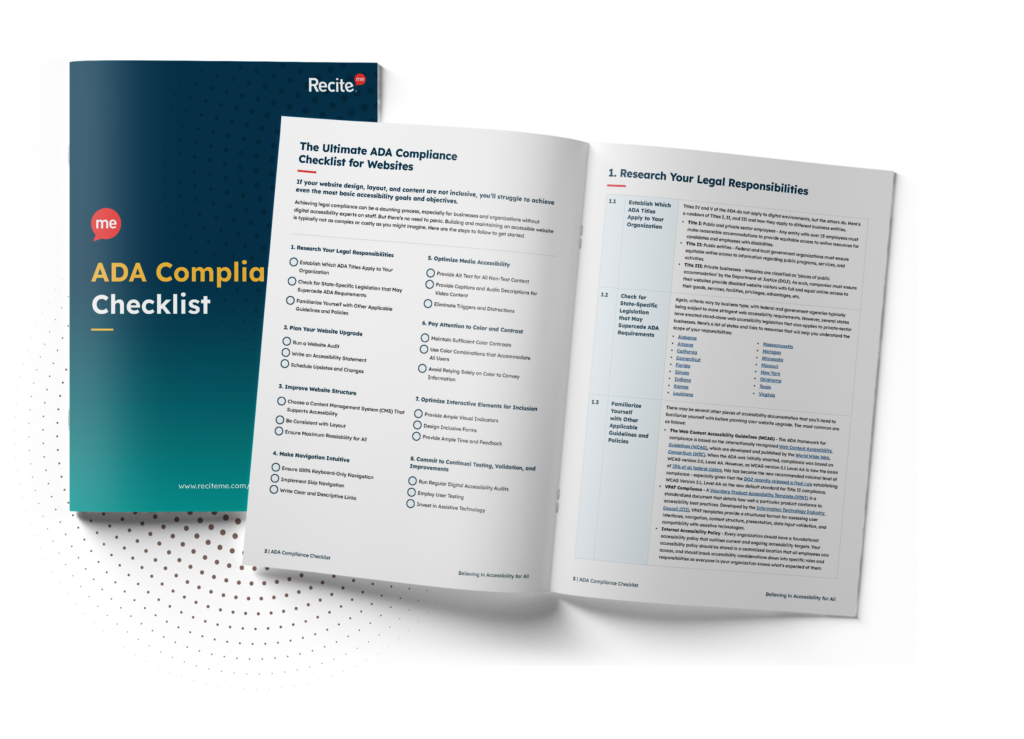
Download Our Free ADA Compliance Checklist
Download Now2025 was the wake-up call. 2026 is the deadline.
Thousands of companies were caught off guard by a sharp rise in ADA website lawsuits last year. And with a major federal accessibility deadline looming, the pressure is only increasing. Whether you’re a public agency or a private business, now is the time to act if you’re to avoid becoming the next headline.
The legal storm: ADA website lawsuits surged in 2025
2025 saw a dramatic escalation in legal risk tied to digital accessibility. According to a mid-year report, U.S. courts logged over 2,000 ADA website accessibility lawsuits in the first half of the year, representing a 37% increase compared to the same period in 2024. Across states and industries, businesses of all sizes and sectors are being targeted, underscoring that no online presence is immune.
The driving forces behind ADA website lawsuits
Lawsuits related to inaccessible websites are not new. However, 2025 marked a clear shift in volume and visibility. So, what’s behind the surge?
Primary drivers include:
- Increased awareness around digital accessibility: Accessibility standards such as the Web Content Accessibility Guidelines and legislation like the Americans with Disabilities Act (ADA) have become more widely referenced.
- Wider adoption of assistive technologies: As the use of screen readers, voice navigation tools, and other assistive technologies increases, it is becoming more obvious to end users when inaccessible digital experiences block access to products, services, and information.


- Growing advocacy and media attention: Advocacy efforts and increased media coverage have acted as catalysts, elevating accessibility from a niche technical issue to a prominent civil rights concern.
- The persistence of common accessibility shortcomings: In most cases, the allegations driving lawsuits involve basic digital accessibility failures. Notable examples include missing image alt text, poor keyboard accessibility, insufficient captions on video content, and navigation features that are not compatible with screen readers.
Together, these factors make non-compliant websites easier to spot, evidence, and challenge, ultimately accelerating the pace at which accessibility gaps turn into legal action.
Key Trends and Notable Case Types
In addition to an overall increase in ADA website lawsuits, 2025 data also reveals clear patterns in where, how, and why accessibility claims are being filed:
- Geographic expansion beyond traditional hotspots: While states like New York, Florida, and California have always been hotspots for litigation, states like Illinois and Minnesota have experienced dramatic increases, signaling that accessibility complaints are spreading geographically.
- Concentration among high-volume plaintiffs and firms: A relatively small number of ‘tester plaintiffs’ and law firms are responsible for a disproportionate share of filings, sparking debates about accessibility advocacy vs. alleged “shake-down” tactics.
- High-value settlements tied to e-commerce websites: Large settlements involving inaccessible e-commerce platforms have made national headlines. In several cases, retailers have agreed to multi-million-dollar resolutions after allegations that their sites failed to work with assistive technologies.
These trends demonstrate that ADA website litigation is no longer sporadic or reactive. It has become systematic, scalable, and increasingly targeted at organizations that have delayed addressing known accessibility risks.
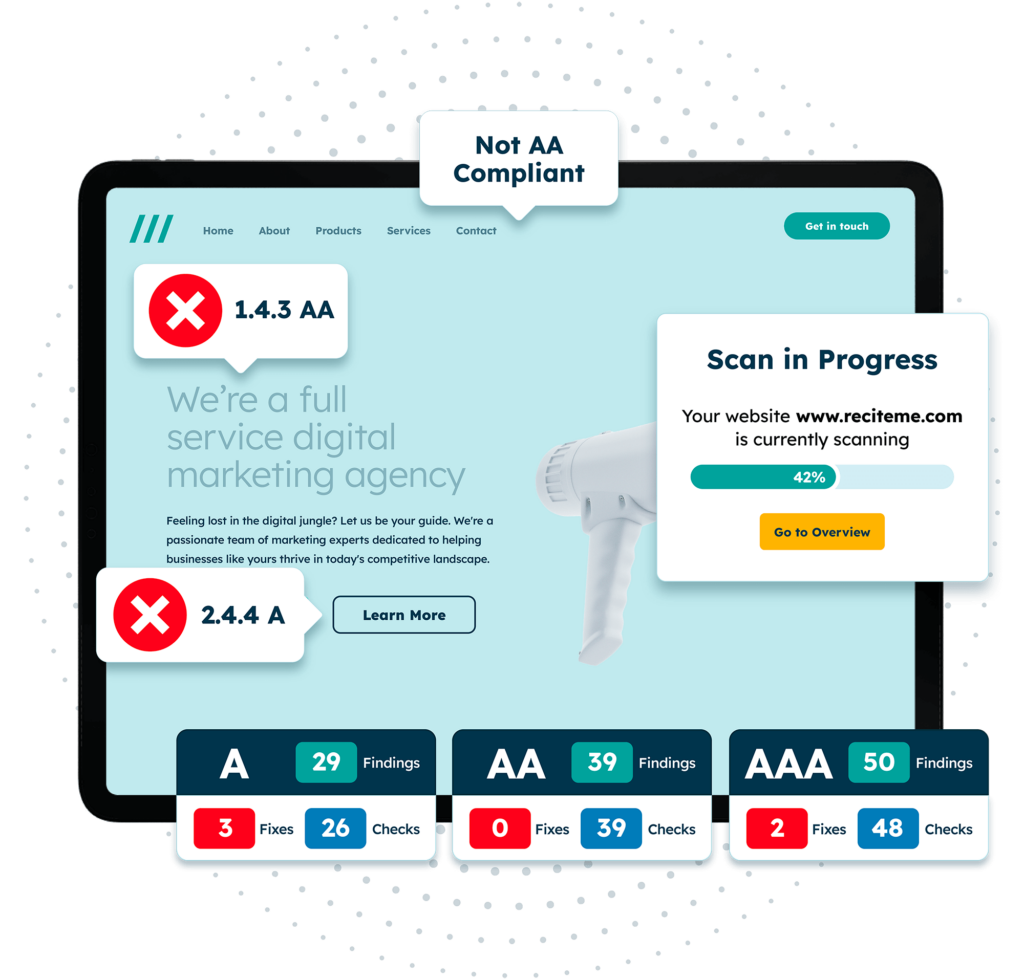
Get a free automated ADA compliance audit of your website. This audit will highlight compliance violations and provide the recommendations needed to meet ADA compliance standards.
What’s coming next: the 2026 ADA deadline
ADA Title III, which governs places of public accommodation, including private business websites, has been enforced through existing civil rights law for years. And with scrutiny mounting, organizations can no longer afford to fall behind or rely on partial accessibility fixes.

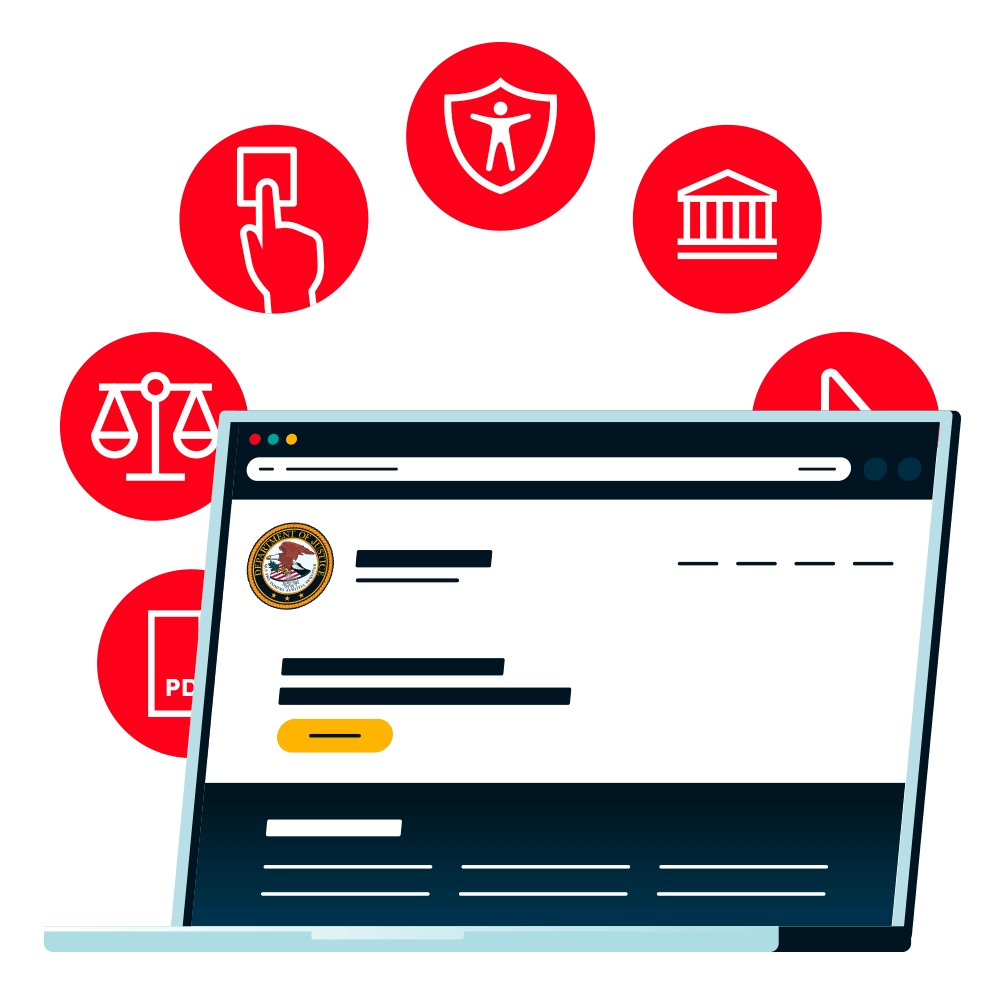
However, the biggest shift is underway on the government compliance side. Under recent Department of Justice (DOJ) rules implementing Title II of the ADA, many public entities now face a federal compliance deadline on April 24, 2026. This regulatory milestone reflects a broader shift, with accessibility being codified into enforceable technical requirements rather than remaining a loosely defined civil rights obligation.
Which organizations and agencies are affected?
In short, a wide range of public-facing bodies and the digital services they rely on. This includes:
- State and local government agencies
- Public sector bodies and authorities
- Educational institutions, including public colleges and universities
- Public healthcare providers
- Public libraries, transport authorities, and utilities
- Third parties providing digital services on behalf of public entities

The deadline applies primarily to entities serving populations of 50,000 or more, while smaller entities may have until April 26, 2027, to reach compliance.
Which technologies are affected?
Essentially, the 2026 deadline extends beyond traditional websites. It applies across the whole digital ecosystem used to deliver services and information. Affected technologies include:
- Websites and web applications
- Mobile apps
- Digital documents (including PDFs and online forms)
- Online booking systems and portals
- Video and multimedia content
- Third-party tools embedded into public-facing services

The benchmark for compliance is WCAG 2.1 Level AA, marking a shift from accessibility as a “best effort” consideration to a defined technical standard.
All organizations must act now
The case for accessibility is no longer theoretical or future-facing, and there are several clear and compelling business cases that justify speedy action:
- Accessibility is good for everyone: Beyond compliance, accessible websites improve usability, expand audiences, and demonstrate corporate commitment to inclusion.
- Legal risk is already materializing: With thousands of lawsuits and demand letters circulating, companies that delay accessibility fixes risk costly litigation. And not just after the deadline, but right now.
- Proactive remediation reduces long-term costs: Fixing accessibility issues early is typically more efficient than responding reactively to legal challenges.
- Enforcement will only grow stricter: The ADA isn’t static. As technical rules are implemented and digital services evolve, staying compliant means committing to continuous improvement.
- Industry leadership: Early adopters position themselves as trusted, inclusive leaders, while competitors who wait may find themselves reacting under pressure.
The bottom line? In an environment of heightened enforcement and rising expectations, accessibility is no longer optional or deferrable for any type of business or entity. Rather, it is a strategic imperative.
How to prepare for the 2026 deadline
To safeguard against ADA website lawsuits, businesses, agencies, and public entities should consider the following strategies:
1. Conducting a full accessibility audit of websites and digital experiences.
2. Remediating key accessibility barriers based on WCAG 2.1 AA standards.
3. Investing in ongoing monitoring and training to sustain compliance over time.
4. Working with experienced accessibility partners or legal advisors to navigate risk.

By approaching accessibility as both a civil rights priority and a risk management priority, organizations can build more equitable digital experiences while minimizing legal exposure.
Inclusive design is the new default. Are you ready?
The surge in ADA website lawsuits in 2025 sends a clear signal that digital accessibility isn’t something companies can ignore. As we approach the 2026 ADA deadlines, the cost of inaction will only continue to rise, increasing legal exposure, financial risk, and reputational damage for organizations that fail to act.
Need help getting started?
Recite Me supports organizations at every stage of their accessibility journey, helping turn technical requirements into practical, achievable actions. Our solutions and services include:
- Website and digital accessibility audits aligned to WCAG standards
- Ongoing monitoring and reporting to identify and address issues early
- Accessibility tools and assistive technologies that support diverse user needs
- Expert guidance and training to help teams embed accessibility into everyday digital workflows
Futureproof your digital estate today by taking meaningful steps toward long-term accessibility compliance. Get your free ADA compliance audit today or contact our team to learn more.
Want to make sure your website is compliant with the Americans with Disabilities Act? Then unlock the ADA compliance checklist now. Discover actionable steps to ensure ADA compliance, helping you avoid lawsuits and any other negative consequences of non-compliance.