
Get Your Free Accessibility & Inclusion Toolkit
Download NowSouth Australia has launched its refreshed State Disability Inclusion Plan (SDIP) 2025–2029, setting out a bold vision for a state “where no one is left behind.”
The plan focuses on inclusion across education, employment, infrastructure, justice, health and community life. It is grounded in the human rights model of disability and backed by the Disability Inclusion Act 2018 (SA), which requires every state authority to align with its priorities.
But there is one area that quietly underpins almost every outcome in the plan:
Digital accessibility.
In 2025, access to information, services and community participation increasingly happens online. If digital systems are not accessible, inclusion cannot be fully realised, no matter how strong the policy commitment.
What Is the South Australia Disability Inclusion Plan 2025–2029?
The State Disability Inclusion Plan makes a clear commitment to ensuring that people with disability can:
- Access the information they need
- Participate fully in community life
- Engage with government services
- Feel safe and supported
Today, that experience is largely shaped by digital touchpoints:
- Government websites
- Online forms and service portals
- Emergency alerts and updates
- Transport and health information
- Community consultations
- Downloadable documents
- Policy publications
If these systems are difficult to navigate, incompatible with assistive technologies, or inaccessible to people with cognitive, sensory or literacy challenges, then barriers remain, even if physical infrastructure improves.
Digital accessibility is therefore not a technical add-on. It is foundational to modern public service delivery.
How the Plan Elevates Digital Accessibility Across South Australia
The SDIP references websites that meet recognised accessibility standards and accessible formats such as Easy Read and Auslan translations. More importantly, it embeds accessibility within a broader framework of:
- Measurable outcomes
- Annual reporting
- DAIP alignment
- Cross-department collaboration
- Public transparency
This means digital accessibility is no longer just a web team’s responsibility. It becomes part of governance, accountability and community trust.
For leaders across communications, digital, policy and executive teams, this creates an important shift: Accessibility must be embedded not retrofitted.
Beyond Compliance: Accessibility as Public Service Quality
It is tempting to approach digital accessibility as a compliance exercise.
But the State Disability Inclusion Plan is rooted in something deeper: removing societal barriers so that people with disability can participate equally.
In a digital context, that means:
- Ensuring online information is clear and readable
- Making content usable with screen readers and assistive technologies
- Supporting people with low literacy
- Enabling translation for culturally and linguistically diverse communities
- Designing systems that do not exclude neurodivergent users
- Providing accessible communication during emergencies
When digital accessibility is approached this way, it improves services for everyone, including older residents, regional communities, people under stress, and those accessing services on mobile devices. Accessibility becomes synonymous with usability.
Why the State Disability Inclusion Plan Matters for Private Businesses Too
Although the State Disability Inclusion Plan is designed primarily for government authorities and public services, its impact will extend far beyond the public sector.
Government policies often influence wider expectations around accessibility, inclusion and service design. As South Australia strengthens its commitment to digital inclusion, organisations that interact with government services, supply public sector contracts, or provide services to the community may also feel increased pressure to ensure their digital platforms are accessible.
Many private organisations operate in close partnership with government. This includes companies delivering services across sectors such as transport, healthcare, housing, education, utilities and community services. When accessibility becomes embedded in government frameworks, it often shapes procurement standards, partnership expectations and service delivery requirements.
For businesses working with the public sector, this means accessibility may increasingly form part of:
- Digital procurement standards
- Vendor assessments
- Partnership frameworks
- Service delivery expectations
Beyond contractual considerations, there is also a broader societal shift taking place. Consumers, employees and communities increasingly expect organisations to demonstrate inclusive practices and accessible digital experiences.
As a result, digital accessibility is becoming part of a wider conversation around ESG, diversity and responsible business practices. Organisations that invest early in accessible digital services are often better positioned to serve diverse audiences, reduce usability barriers and strengthen trust with their communities.
In this sense, initiatives such as the South Australia Disability Inclusion Plan can act as catalysts for wider digital inclusion across both the public and private sectors.
What Digital Accessibility Means in Practice
The SDIP acknowledges that disability is diverse. It includes physical, sensory, cognitive, intellectual, psychosocial and invisible disabilities.
It also recognises intersectionality, the ways disability overlaps with:
- Cultural background
- Language
- Geography
- Age
- Socioeconomic disadvantage
Digital systems that are complex, cluttered, inaccessible or text-heavy can disproportionately affect people already facing barriers.
Inclusion in 2025 requires understanding how digital experiences shape daily life — from applying for support to accessing transport updates, from reading policy documents to navigating emergency services.
Annual Reporting and Public Accountability
A defining feature of the State Disability Inclusion Plan is its emphasis on accountability.
Each state authority must:
- Maintain and update a Disability Access and Inclusion Plan (DAIP)
- Align actions with the State Plan
- Report annually on progress
- Publish information in accessible formats
This creates transparency.
Accessibility performance is no longer invisible. It becomes part of public reporting and organisational maturity.
For many authorities, this raises important questions:
- Do we know how accessible our digital systems are today?
- Can we evidence improvement over time?
- Are accessibility responsibilities clearly assigned internally?
- Is accessibility embedded in procurement and design processes?
These are strategic governance questions and not just technical ones.
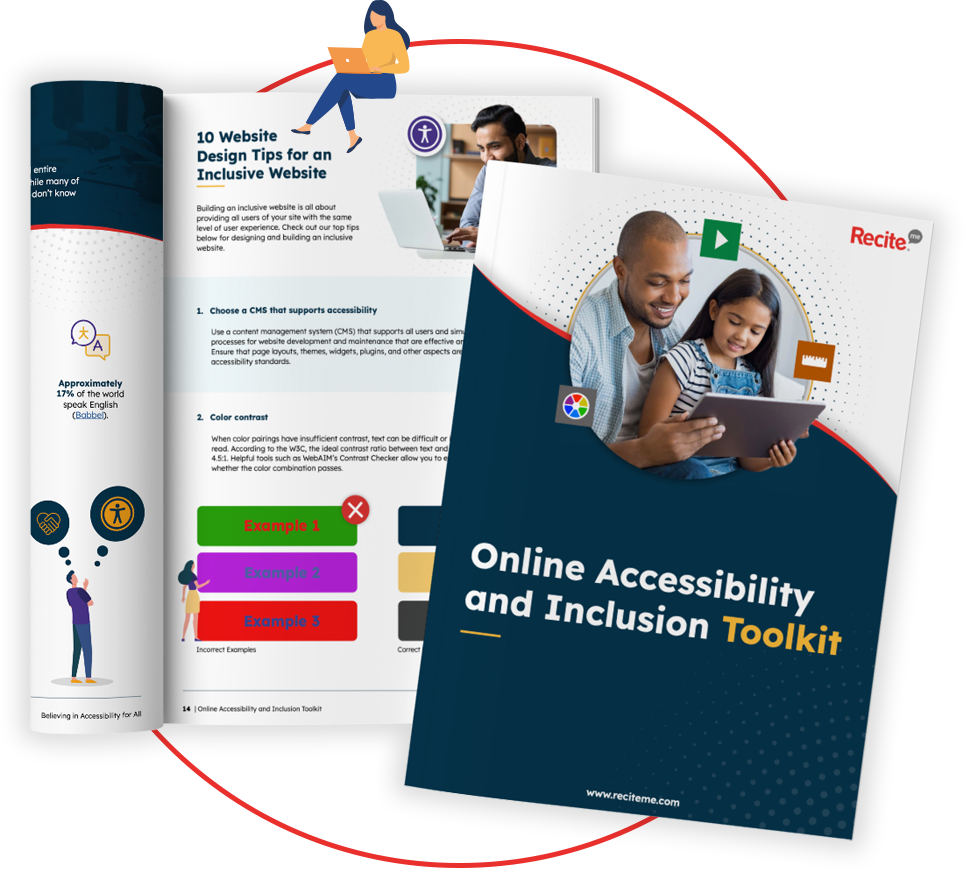
Our 40-page Digital Accessibility & Inclusion Toolkit helps businesses break down online barriers and make a real impact. It offers practical advice on all aspects of digital accessibility, from writing an accessibility statement to accessible website tips and inclusive hiring.
The Accessibility Opportunity for Leadership in South Australia
South Australia has positioned itself as a state committed to inclusion and human rights.
Digital accessibility offers public sector organisations an opportunity to lead:
- By designing services that work for everyone
- By reducing complaints and friction
- By strengthening community trust
- By demonstrating measurable progress
- By aligning digital transformation with social impact
Rather than treating accessibility as a reactive fix, authorities can embed it into digital strategy, content governance and service design.
How Recite Me Supports Digital Inclusion and accessibility
Recite Me partners with public sector organisations to support digital inclusion at scale.
Our approach focuses on:
- Understanding the current accessibility landscape
- Providing tools that support real-world users
- Enabling multilingual access
- Supporting accessible document publication
- Offering continuous monitoring and reporting
The goal is not simply to pass a standard but to create inclusive digital environments aligned with public sector responsibilities.
A More Inclusive Digital Future for South Australia
South Australia’s State Disability Inclusion Plan 2025–2029 is ambitious and forward-looking. It recognises that inclusion is not limited to physical infrastructure or policy statements.
In a world where government services are increasingly digital, accessibility must be embedded in websites, systems and communications.
Digital accessibility is not just about compliance.
It is about ensuring that when someone seeks information, support or safety online, they are not left behind.
Check out our Products & Services
Ready to take your first steps towards digital accessibility compliance? Then see how we can support your journey with our accessibility solutions:
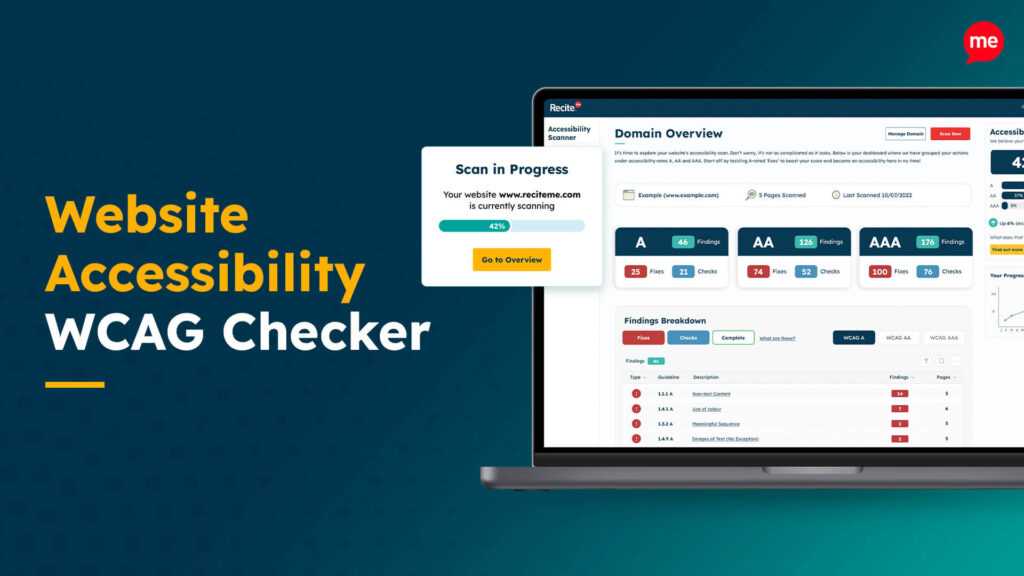
Web Accessibility Checker
Scan, detect, fix, and maintain accessibility compliance standards on your website.
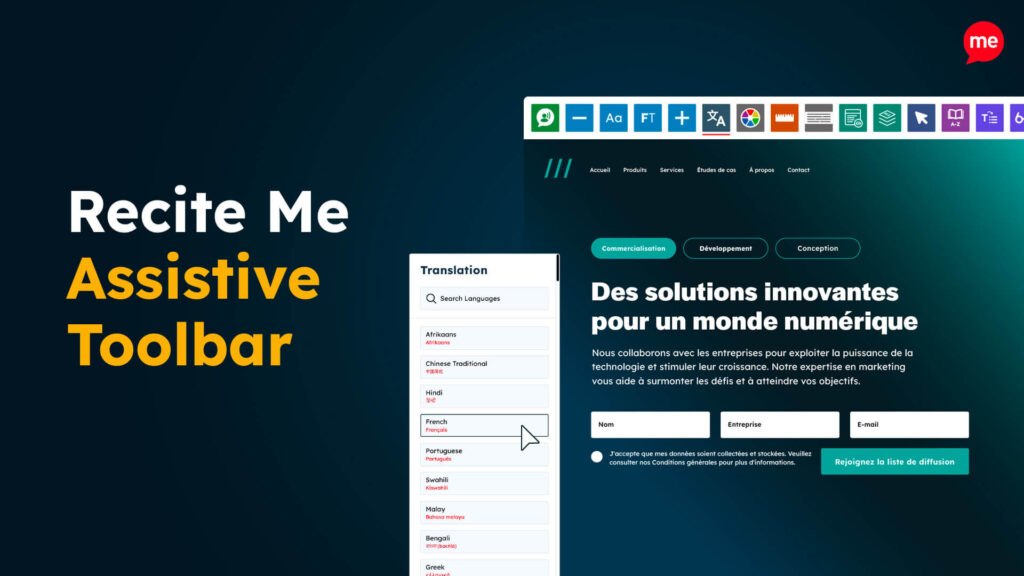
Assistive Toolbar
Make your website an inclusive and customisable experience for people with disabilities.
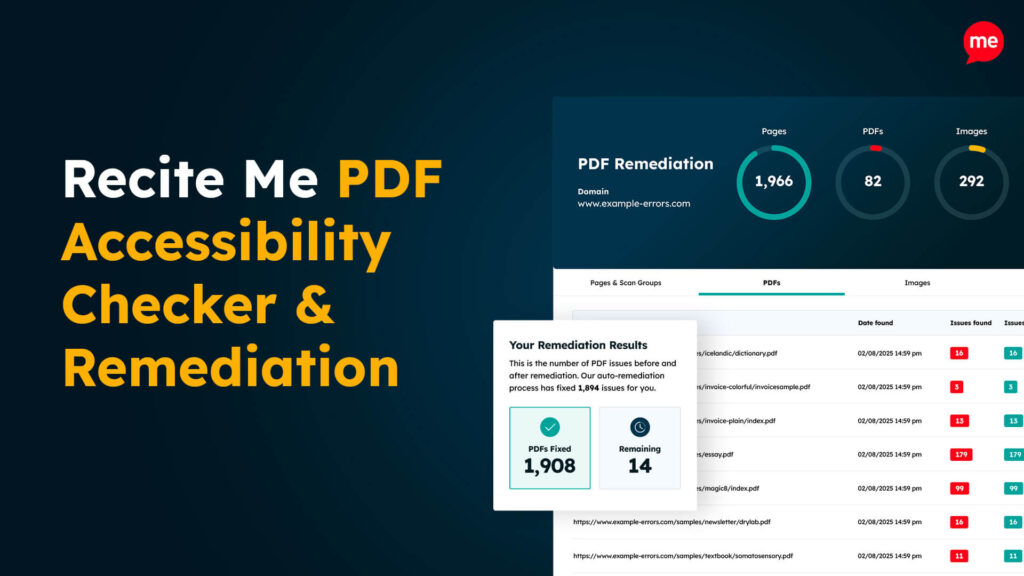
PDF Accessibility Checker
Check your PDFs are compliant with accessibility standards and run automated fixes.
