

Get Your Free Accessibility & Inclusion Toolkit
Download NowAccessibility is primarily designed to remove barriers to ensure equal access for individuals with disabilities, but the benefits go far beyond this. Websites and online content that are designed with accessibility in mind can make life easier, safer, and more convenient for all.
Furthermore, when accessible design benefits a broader population, it is known as “the curb cut effect”. The curb cut effect is a powerful element of design that can offer wide-ranging benefits for consumers and businesses alike. This post will explore the curb cut effect and how it can make life better for everyone in the process.
What is the curb cut effect?
The curb cut effect refers to how accessibility features designed for a specific group end up benefiting many others. The term comes from curb cuts, which are small ramps built into pavements to help wheelchair users cross streets. While essential for wheelchair access, they also help people pushing prams, pulling luggage, riding bikes, or anyone who prefers a smoother path.
This idea shows that inclusive design often creates wider advantages beyond its original purpose. By considering a range of needs from the start, solutions become more flexible and useful for more people.
Examples of the curb cut effect
There are many notable examples of the curb cut effect in all areas of life, including physical spaces and digital environments.
Physical spaces
Here is a quick summary of the most obvious curb cut examples in the physical accessibility space:
- Wheelchair ramps
- Wider doorways
- Automatic doors
- Accessible public transport ramps
- Elevators
- Lowered ATMs/bank counters
- Lever door handles
- Non-slip flooring
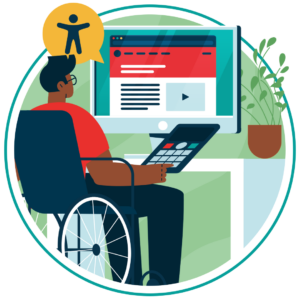
Digital environments
Here is a quick summary of the most obvious curb cut examples in the digital accessibility space:
- Closed captions/subtitles
- Keyboard navigation
- Screen reader support
- Adjustable text size and contrast
- Alt text for images
- Voice commands
- Predictive text
These are all features of accessible design that make access easier for users with disabilities while providing convenience for a wider group in both the physical and digital world.
Get a Free Accessibility Check of your Website
Run a scan to identify WCAG issues on your website's homepage. Then, use our recommended changes to achieve compliance with the latest accessibility standard.
Why does the curb cut effect matter?
The curb cut effect matters because it has benefits for all members of society. Of course, accessible design primarily involves removing barriers to improve the experience for users with disabilities, but the curb cut effect can also benefit other users, too.
Moreover, promoting equality and creating inclusive experiences for all allows people to navigate physical and digital environments safely and efficiently. This also encourages participation by making spaces accessible for all, regardless of individual circumstance.

Business case for the curb cut effect
The curb cut effect benefits all of society, and there is also a clear business case for the curb cut effect. This creates strong value for organisations as well as for people who interact with what they offer.
Let’s take a quick look at some of the most prominent business cases for the curb cut effect:
- Wider reach: Inclusive design attracts more people, including those who prefer easierflexible experiences.
- Better usability: Improvements made for accessibility often make things quicker and simpler for everyone.
- Innovation driver: Designing for diverse needs can spark new ideas and better solutions.
- Brand reputation: Demonstrates commitment to fairness, inclusion, and customer care.
- Risk reduction: Helps meet legal and regulatory expectations around accessibility.
- Customer loyalty: People are more likely to return to services that are easy and comfortable to use.
How to apply the curb cut effect to your website and digital environment
Incorporating accessibility best practices that mirror the benefits of the curb cut effect into your website doesn’t have to be hard. In fact, we’ve got a simple plan you can follow:
1. Run an accessibility audit of your website
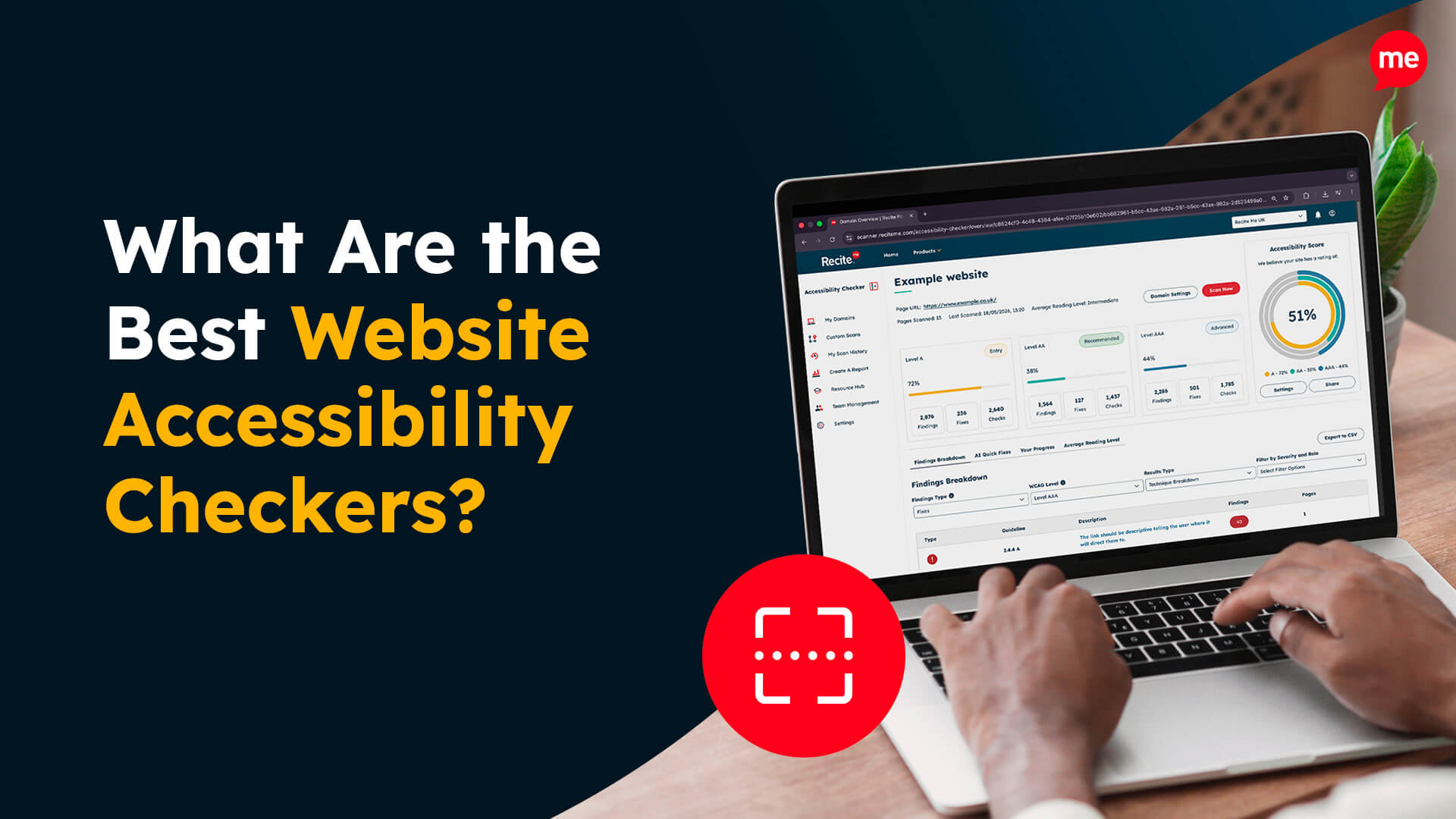
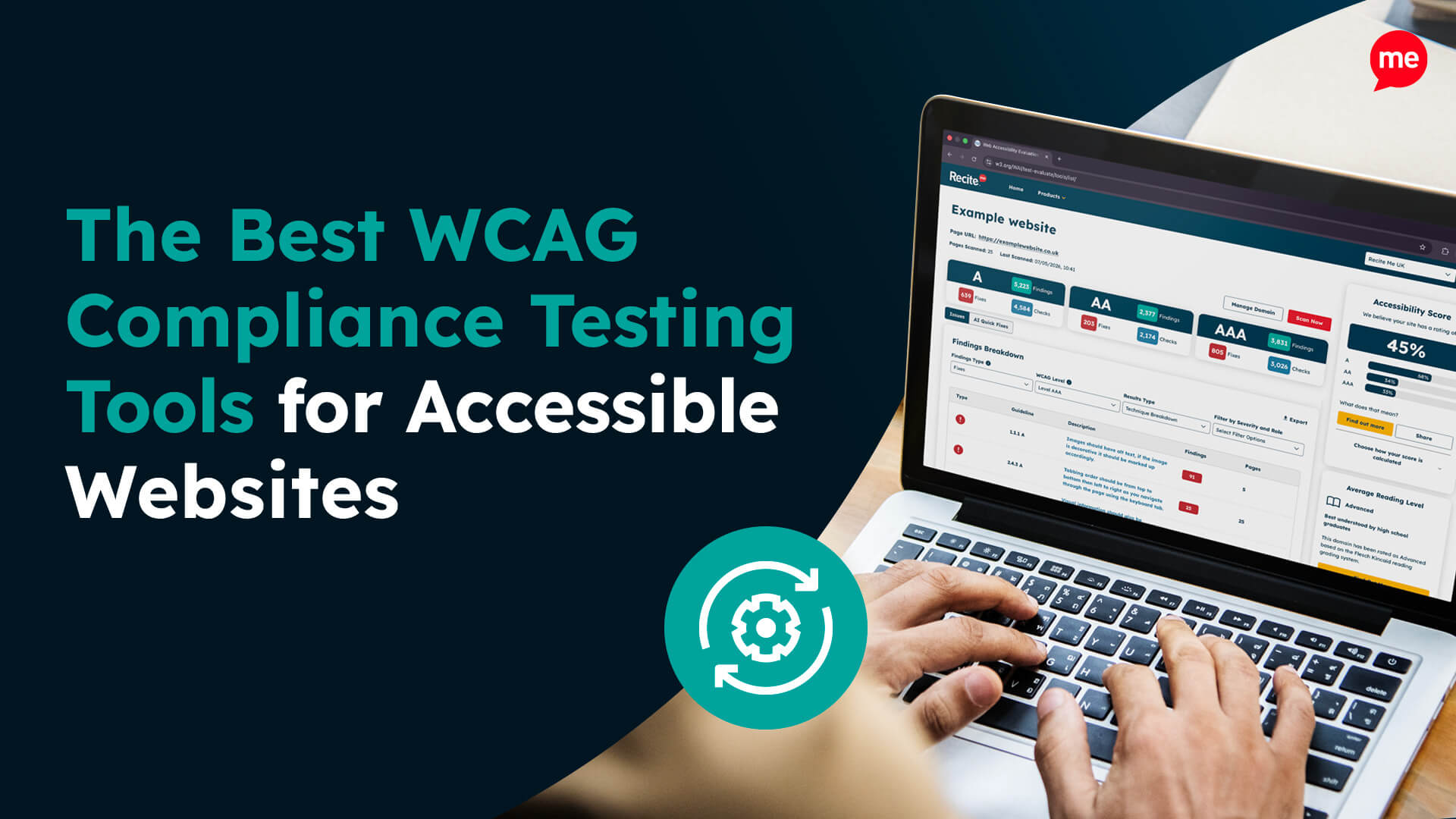
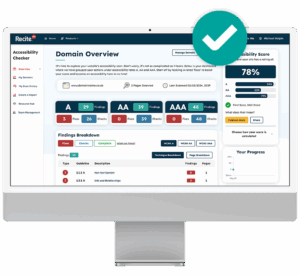
First, you will want to run an accessibility audit of your website to identify any existing errors that need to be addressed. The Recite Me Website Accessibility Checker tool can be used for this, as it scans your entire website for accessibility issues against WCAG criteria and provides automated fixes. This allows you to quickly improve accessibility standards and comply with relevant accessibility laws.
2. Consider inclusion tools for your website
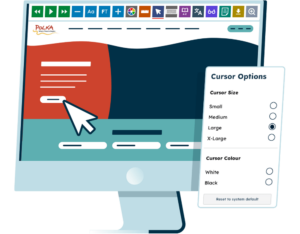
You can then add inclusion tools to your website that will allow users to customise their online experience. The Recite Me Assistive Toolbar is a useful solution for this reason, as it provides users with features such as text-to-speech, adjustable font sizes, and language translation.
This allows website visitors with different disabilities to remove barriers themselves and create a personalised experience. But it can also add convenience for other users, including older users, children, non-native speakers, and those with temporary disabilities.
3. Check the accessibility of your PDFs
Many organisations produce PDFs containing important information about products and services. However, these documents often contain accessibility barriers that can make them unreadable to people with certain disabilities.
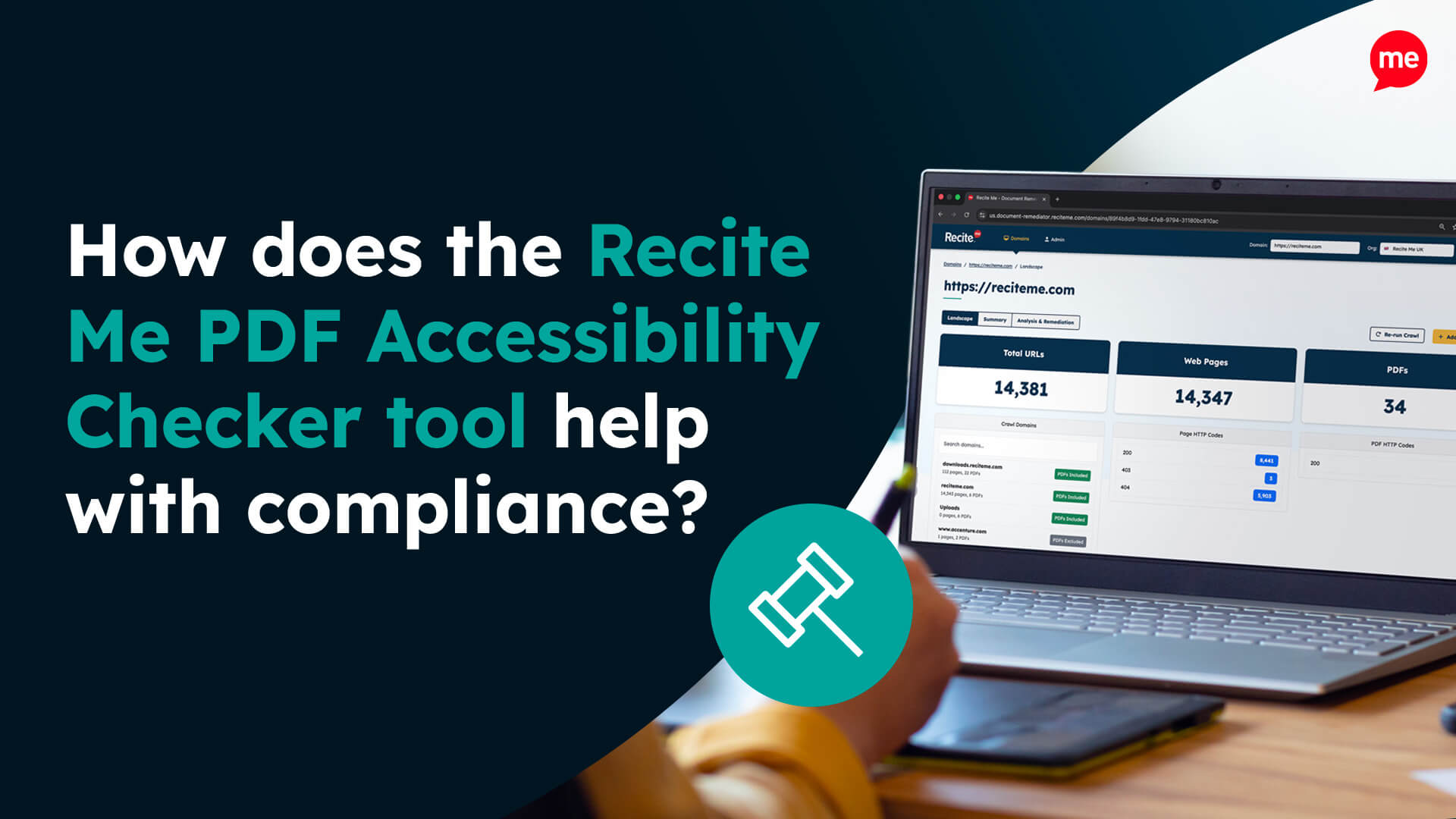
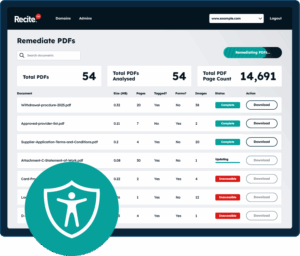
The Recite Me PDF Accessibility Checker and remediation tool can quickly scan your entire PDF library to detect common accessibility errors. The remediation tool can then provide AI-driven automated fixes, helping to create accessible PDFs that will be accessible to everyone.
4. Provide accessibility training to key contributors
Accessibility is not a one-time fix and must be a key consideration when it comes to website development and content creation. Recite Me offers a free web accessibility training course that will educate key contributors on how they can create accessible and inclusive digital experiences. This will help to ensure your everyone in your organisation is on the same page, working towards long-term accessibility goals.
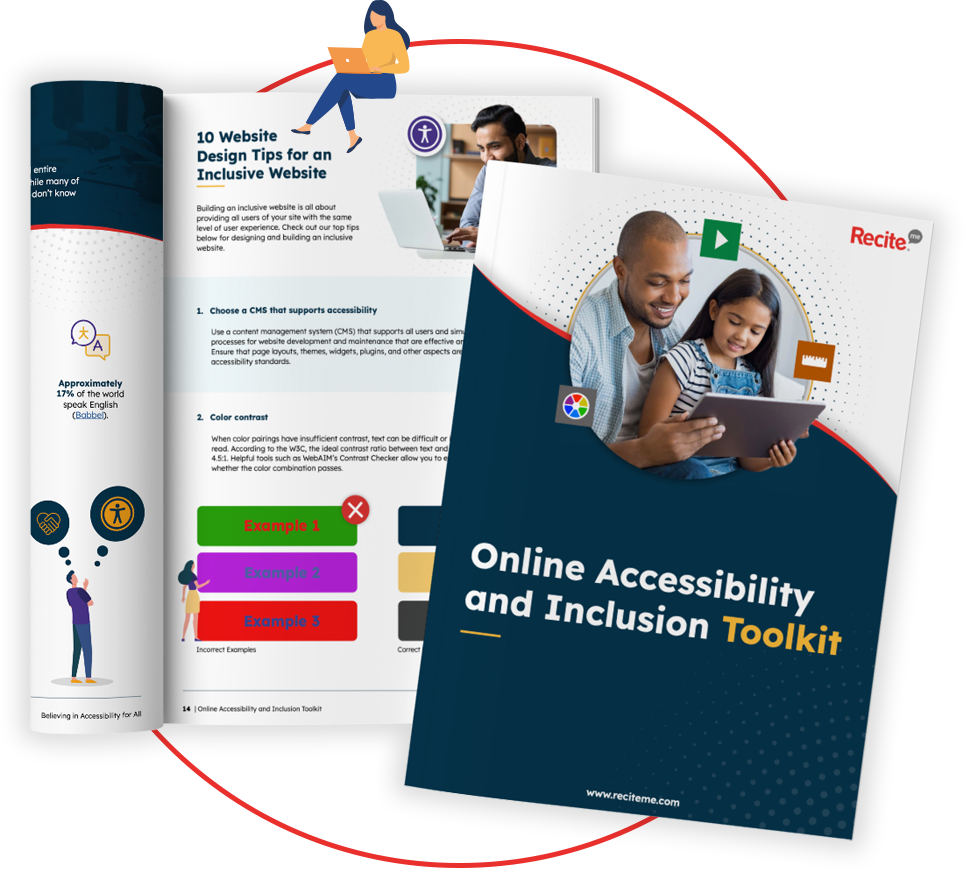
Our 40-page Digital Accessibility & Inclusion Toolkit helps businesses break down online barriers and make a real impact. It offers practical advice on all aspects of digital accessibility, from writing an accessibility statement to accessible website tips and inclusive hiring.
Final thoughts on the curb cut effect and its impact
The curb cut effect is an interesting phenomenon that shows how accessible design features can benefit broader society. By improving accessibility for a small group of people, you can create more inclusive experiences that prevent exclusion and improve the user experience, both online and offline.
You can take the first step towards an accessible website today by running a free scan of your homepage. Alternatively, you can reach out to a member of our team for more personalised support.
Curb cut effect FAQs
Looking for a recap or quick summary? Here are a few of our most frequently asked questions to help you get to grips with the essentials:
How often should digital accessibility be reviewed?
Digital accessibility should be an ongoing consideration, so it’s review your digital landscape at least once a year. That said, more frequent reviews are usually beneficial, especially when the website receives a large update.
How does the curb cut effect improve user experience?
The curb cut effect improves user experience by making products, services, and environments easier to use in a wide range of real-world situations. The benefits to user experience include:
- Reduces friction
- Simplifies navigation
- Improves clarity
- Supports mobile use
Why is it called the curb cut effect?
The term comes from pavement curb cuts (ramps in kerbs) originally introduced to support wheelchair access, which also benefit people using prams, luggage, bikes, and more.
How can organisations measure the impact of the curb cut effect?
There are a few ways to measure the impact of the curb cut effect, including user feedback, accessibility audits, and surveys. It is also helpful to observe how users (including those with and without disabilities) interact with physical and digital spaces.
Check out our Products & Services
Ready to take your first steps towards digital accessibility compliance? Then see how we can support your journey with our accessibility solutions:
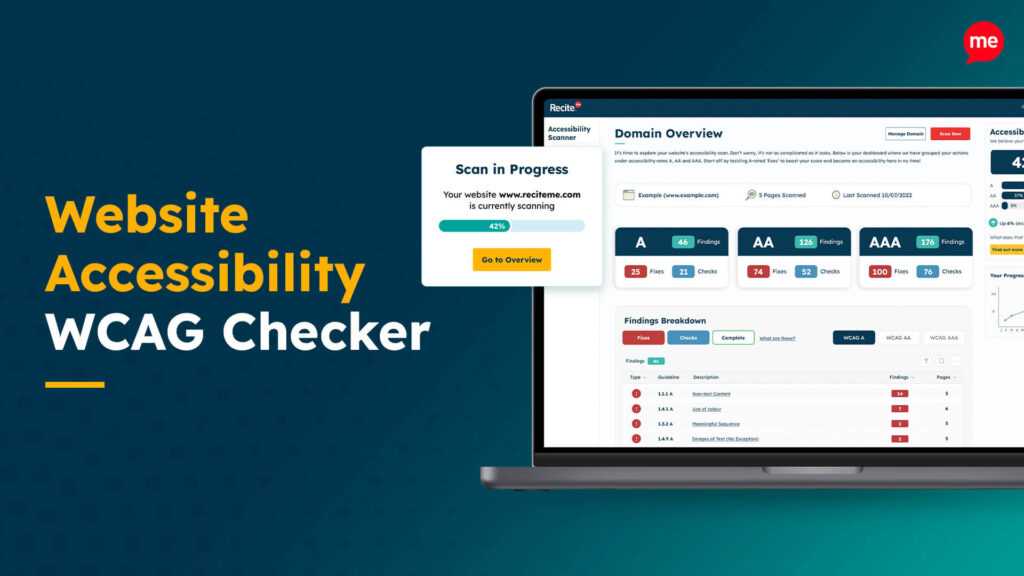
Web Accessibility Checker
Scan, detect, fix, and maintain accessibility compliance standards on your website.
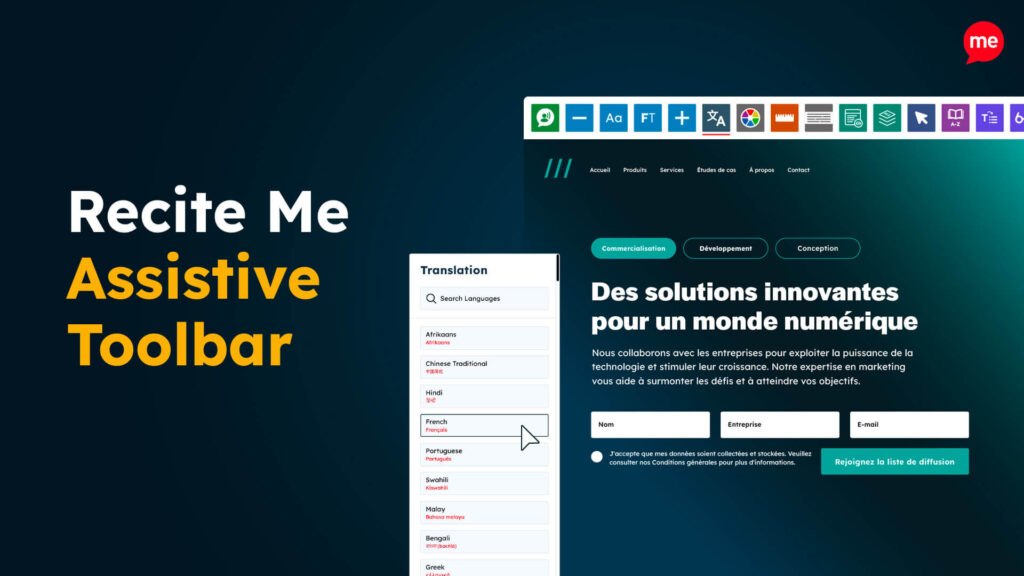
Assistive Toolbar
Make your website an inclusive and customisable experience for people with disabilities.
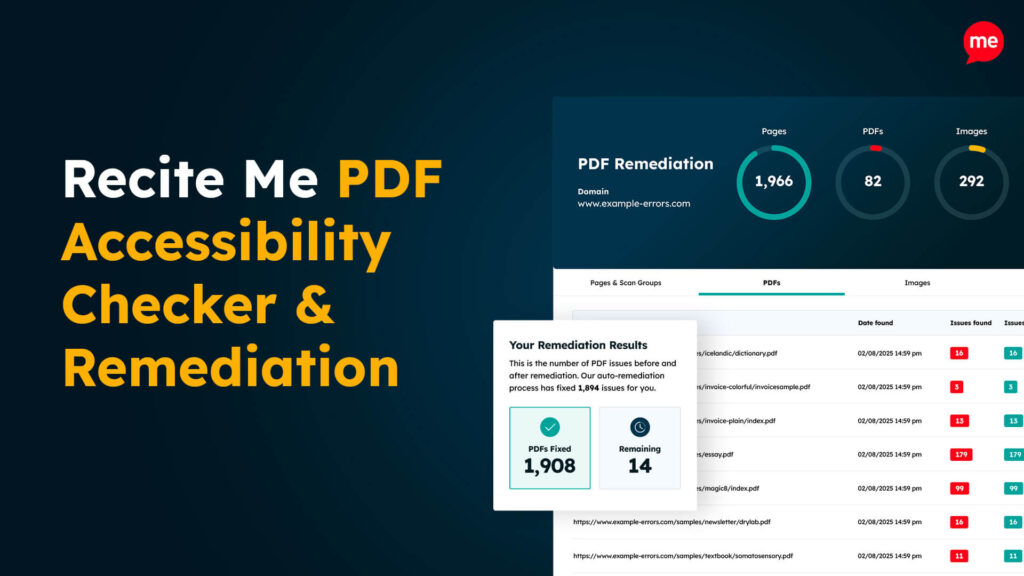
PDF Accessibility Checker
Check your PDFs are compliant with accessibility standards and run automated fixes.